Executive Summary
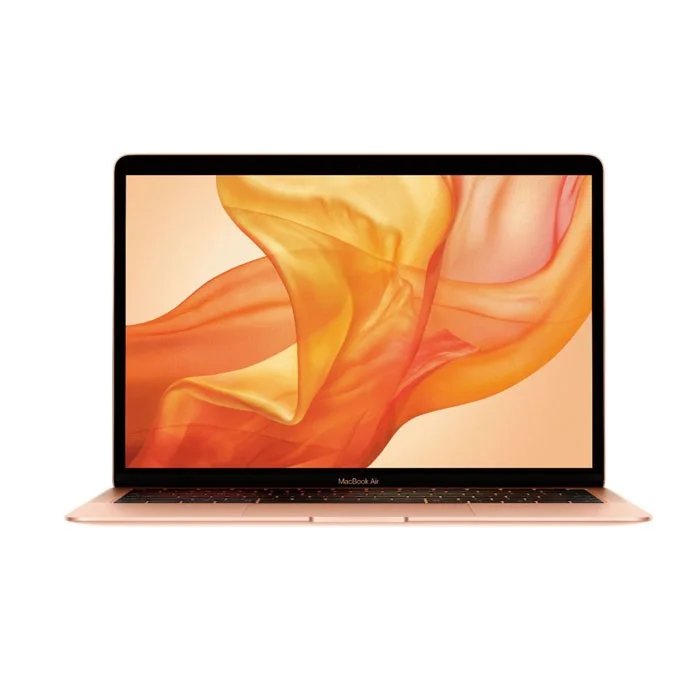
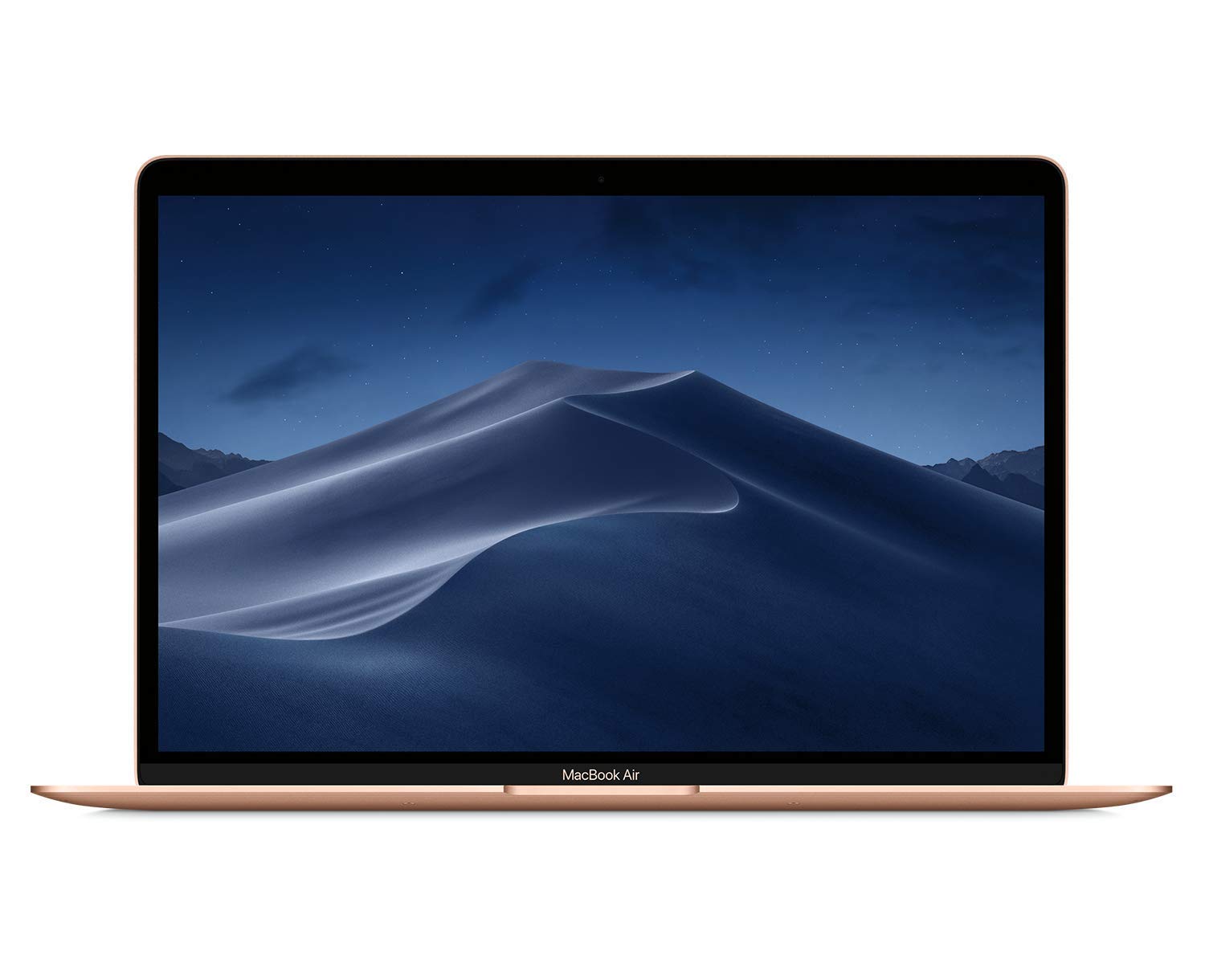
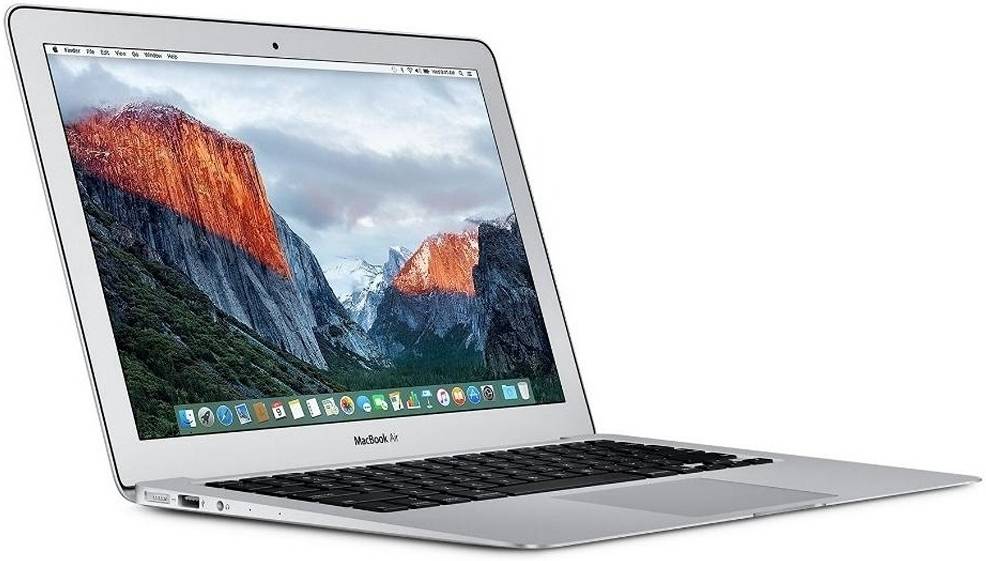
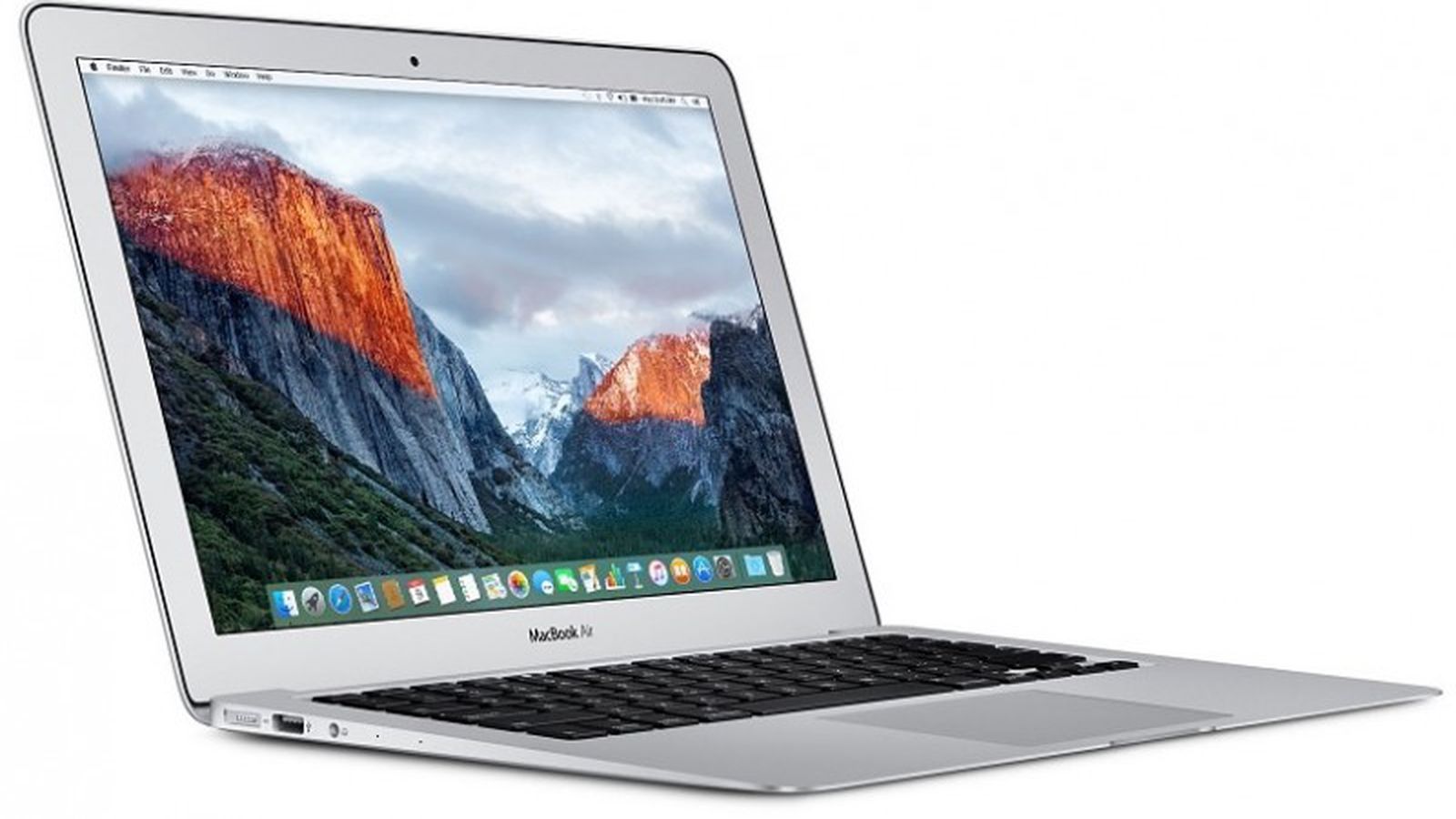
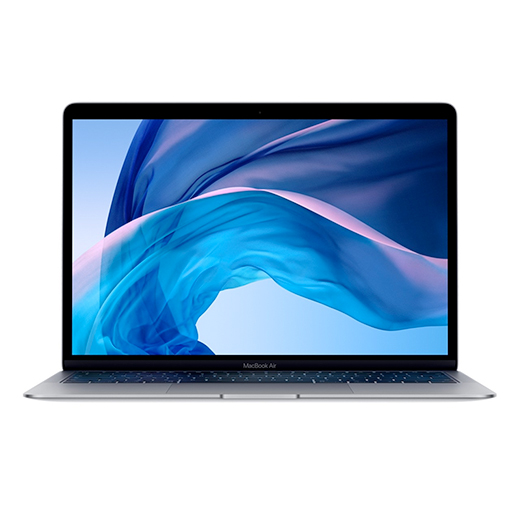
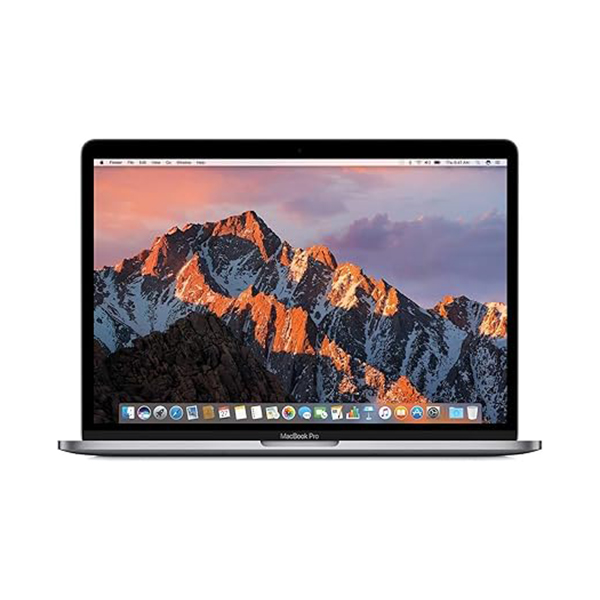
The 2019 MacBook Air (A1932, EMC 3301) is a quiet mid-year update to the 2018 redesign. Its sole meaningful change was the adoption of Apple’s new “material revision” to the controversial Butterfly keyboard, moving from Gen 3 to Gen 4. This revision used different materials in the key mechanism (reportedly a plastic/rubber barrier) in an attempt to reduce the pervasive reliability issues. Externally and performance-wise, it is indistinguishable from the 2018 model, but it launched at a lower price point. It remains a dual-core, thermally-limited machine with a beautiful display but inherent performance constraints.
Detailed Specifications
1. Processor (CPU) – Unchanged Bottleneck
- Model: Intel Core i5-8210Y (Amber Lake Y) – identical to the 2018 model
- Series: Y-Series (Extremely Low Power, 7W TDP)
- Cores / Threads: Dual-core with Hyper-Threading (2 cores, 4 threads)
- Clock Speed: 1.6 GHz base, up to 3.6 GHz Turbo Boost
- Performance Reality: No change from 2018. The same dual-core CPU struggles with sustained workloads and is prone to thermal throttling. Quad-core CPUs were already standard in competitors and Apple’s own MacBook Pro lineup.
2. Memory (RAM)
- Type: LPDDR3
- Speed: 2133 MHz
- Capacity: 8GB (base), 16GB (Build-to-Order)
- Upgradeability: Soldered to the logic board – not upgradeable
3. Storage (SSD)
- Type: Apple PCIe 3.0 NVMe SSD (soldered)
- Capacities: 128GB (base), 256GB, 512GB, 1.5TB (BTO)
- Pricing Change: Base price dropped to $1,099, while the $1,199 tier doubled storage to 256GB
- Performance: Identical to 2018, ~2.0 GB/s read speeds
4. Display – Now with True Tone
- Size & Resolution: 13.3-inch Retina, 2560 × 1600 (227 PPI)
- Panel Type: IPS with P3 wide color gamut
- True Tone: Automatically adjusts white balance to ambient lighting
- Brightness: 300 nits
5. Graphics
- GPU: Intel UHD Graphics 617
- Performance: Adequate for Retina display and a single 4K external monitor, unsuitable for gaming or GPU-heavy workloads
6. Design & Build – The Keyboard Revision
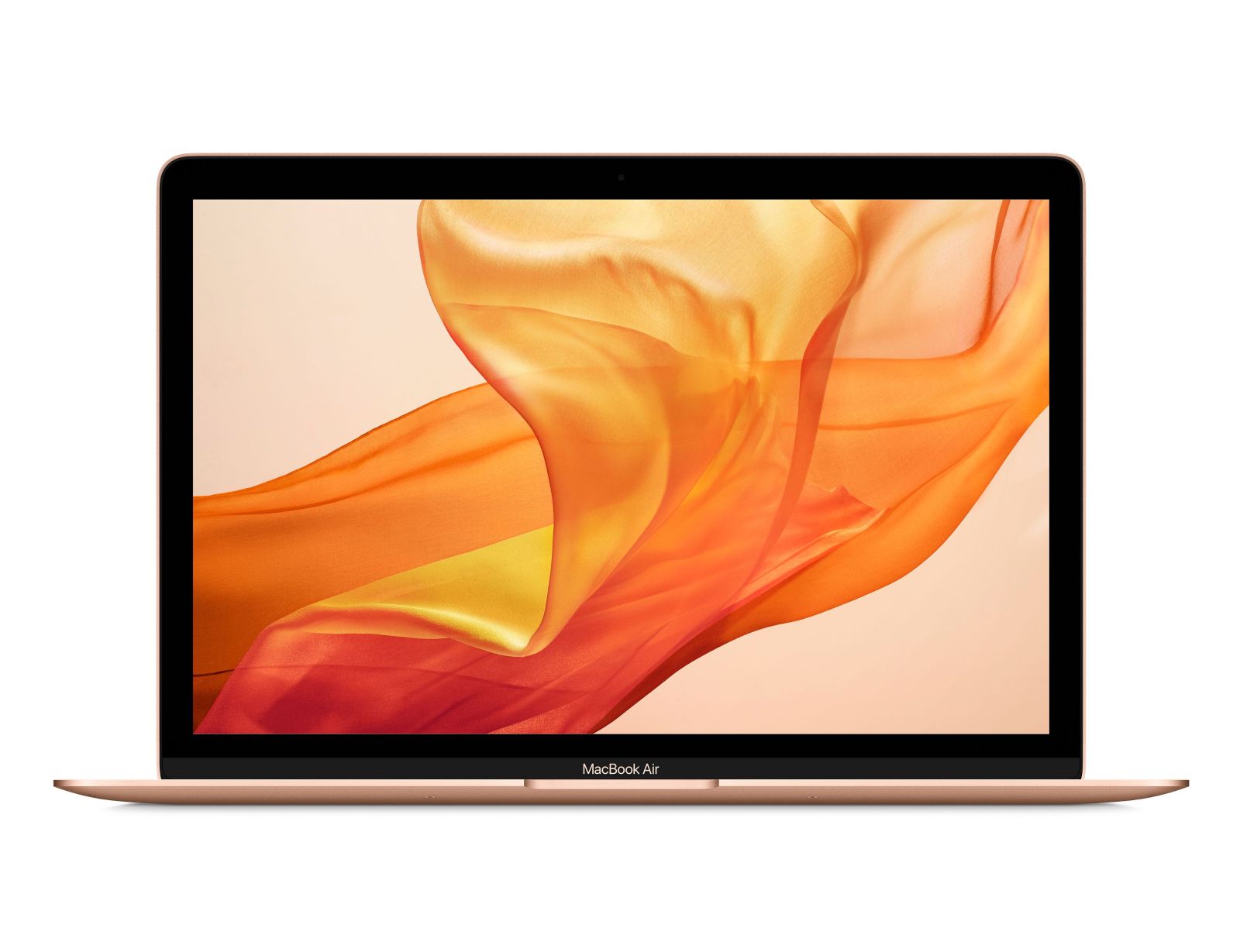
- Design: Identical externally to the 2018 model
- Weight: 1.25 kg
- Colors: Silver, Space Gray, Gold
- Keyboard: Butterfly Keyboard (Gen 4 – “Quiet” revision)
- Revision Details: Internal material changes intended to reduce dust ingress and failure rates
- Outcome: Marginal reliability improvement, but still failure-prone and covered under Apple’s Keyboard Service Program
- Trackpad: Force Touch trackpad
- Webcam: 720p FaceTime HD
- Touch ID: Integrated with Apple T2 Security Chip
7. Connectivity & Ports
- Ports: 2 × Thunderbolt 3 (USB-C), 1 × 3.5mm headphone jack
- Wireless: Wi-Fi 5 (802.11ac), Bluetooth 5.0
8. Battery & Power
- Battery Capacity: 49.9Wh lithium-polymer
- Battery Life: 8–10 hours real-world use
- T2 Security Chip: Handles secure boot, encryption, and Touch ID
9. Software & Support
- Original OS: macOS Mojave or Catalina (depending on ship date)
- Last Official macOS: macOS Ventura (13)
- Unofficial Support: macOS Sonoma / Sequoia via OpenCore Legacy Patcher
- Keyboard Service Program: Time-limited; most units are now out of free repair coverage
Modern Usability Assessment (2024)
Still Functional For:
- Light productivity (web, email, Office apps)
- Media consumption on a high-quality Retina display
- Student note-taking and research
- Secondary or travel computer
Severe Limitations:
- Weak dual-core CPU performance
- Thermal throttling under sustained loads
- Butterfly keyboard reliability risk
- End of official OS support
Buying Guide & Market Value (2024)
- 8GB / 128GB: $220 – $300
- 8GB / 256GB: $270 – $350
- 16GB / 512GB: $330 – $420
What to Check Before Buying
- Test every keyboard key thoroughly
- Check battery health (cycles and capacity)
- Confirm EMC number is 3301
- Inspect chassis and display coating
Final Verdict: The Last of a Troubled Line
The 2019 MacBook Air is the final evolution of a compromised design. It offers a beautiful display and refined chassis, but its weak performance and keyboard reliability issues severely limit its value in 2024. It should only be purchased at a very low price and with full awareness of its limitations. For most users, the M1 MacBook Air remains the vastly superior choice.