Executive Summary
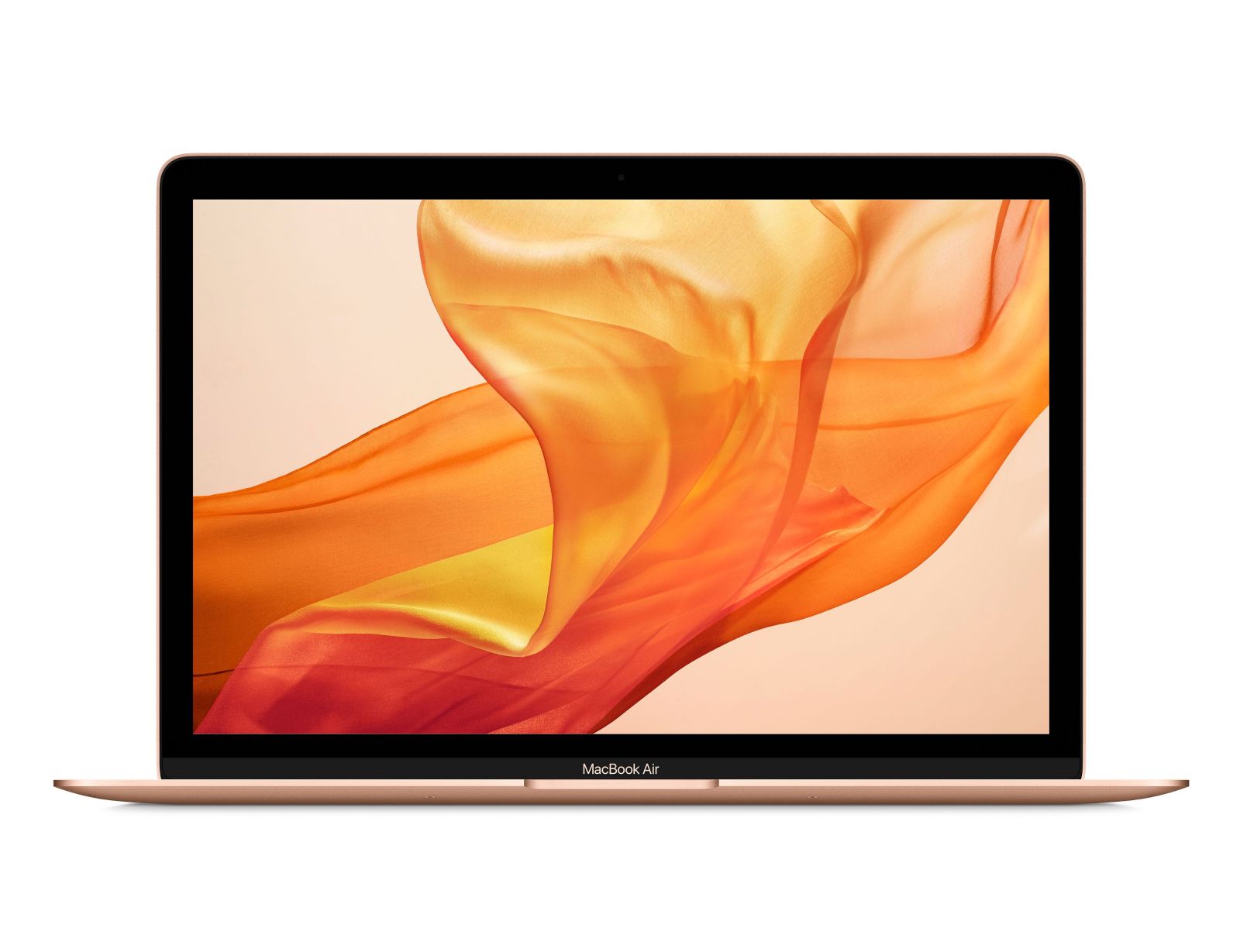
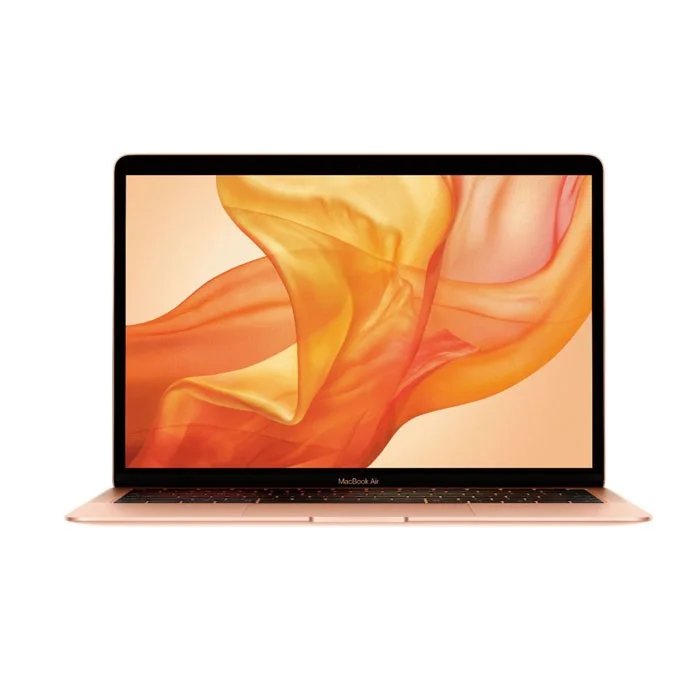
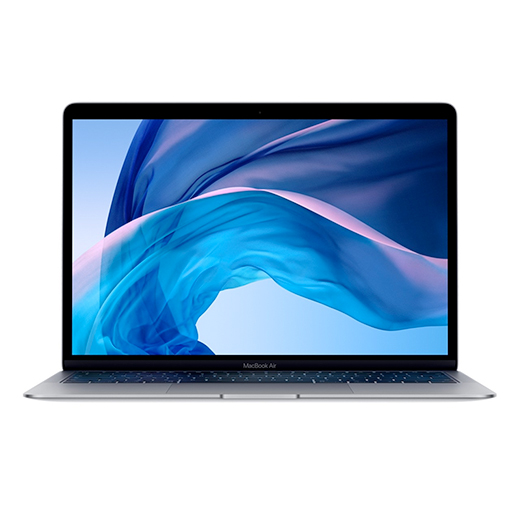
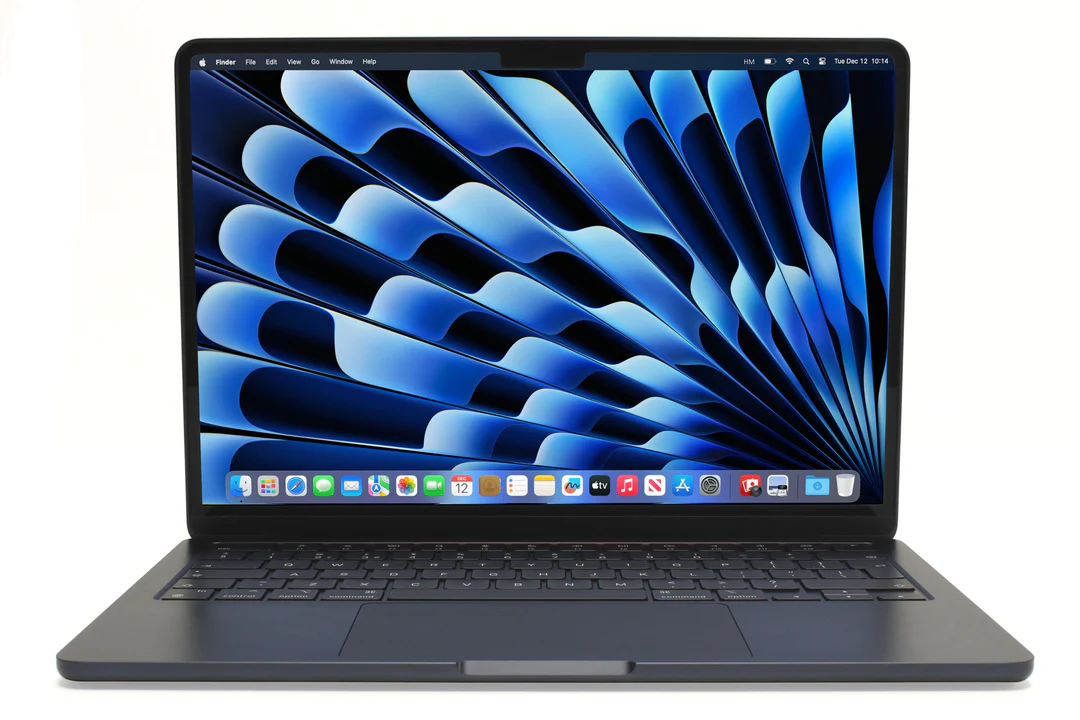
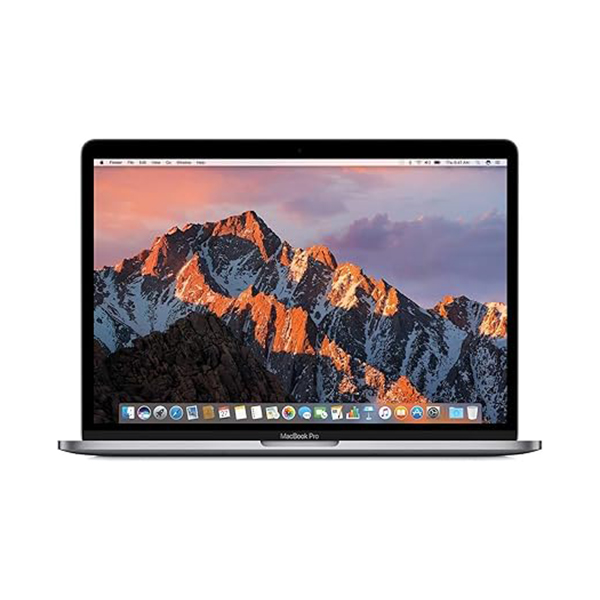
The 2018 MacBook Air (A1932) was a landmark redesign that finally brought a Retina display, thinner bezels, and a modern all-aluminum chassis to Apple's most popular laptop. However, it controversially used a low-power “Y-series” Intel processor and the failure-prone third-generation Butterfly keyboard. It introduced Touch ID to the Air lineup and moved exclusively to Thunderbolt 3 ports. A beautiful but compromised machine that balanced modern aesthetics with underwhelming performance and a notorious keyboard.
Detailed Specifications
1. Processor (CPU) – The Performance Compromise
- Model: Intel Core i5-8210Y (Amber Lake Y)
- Series: Y-Series (Extremely Low Power, 7W TDP)
- Cores / Threads: Dual-core with Hyper-Threading (2 cores, 4 threads)
- Clock Speed: 1.6 GHz base, up to 3.6 GHz Turbo Boost (short bursts only)
- Cache: 4MB L3 cache
- Architecture: 14nm++ refinement
- Performance Context: Despite being an 8th-gen chip, its dual-core design and 7W TDP made it slower in sustained workloads than quad-core MacBook Pros and sometimes even the older 2017 Air. Highly prone to thermal throttling.
- Configurable Option: Intel Core i7-8510Y (1.8 GHz base) for a minor performance increase.
2. Memory (RAM)
- Type: LPDDR3 (Low-Power DDR3)
- Speed: 2133 MHz
- Capacity: 8GB (base) or 16GB (Build-to-Order)
- Upgradeability: Soldered to logic board – not upgradeable
- Recommendation: 8GB is acceptable for light use; 16GB is strongly recommended for longevity and multitasking.
3. Storage (SSD)
- Type: Apple PCIe 3.0 NVMe SSD
- Mounting: Soldered directly to the logic board
- Capacities: 128GB (base), 256GB, 512GB, 1.5TB (BTO)
- Performance: ~2.0 GB/s read, ~1.0 GB/s write
- Critical Note: Not user-upgradeable. Storage capacity is fixed at purchase.
4. Display – The Star of the Show
- Size: 13.3-inch Retina display
- Resolution: 2560 × 1600 pixels (227 PPI)
- Panel Type: IPS with LED backlight
- Color: P3 wide color gamut
- Technology: True Tone adaptive white balance
- Brightness: 300 nits
- Bezels: Approximately 50% thinner than the previous Air, with black chin
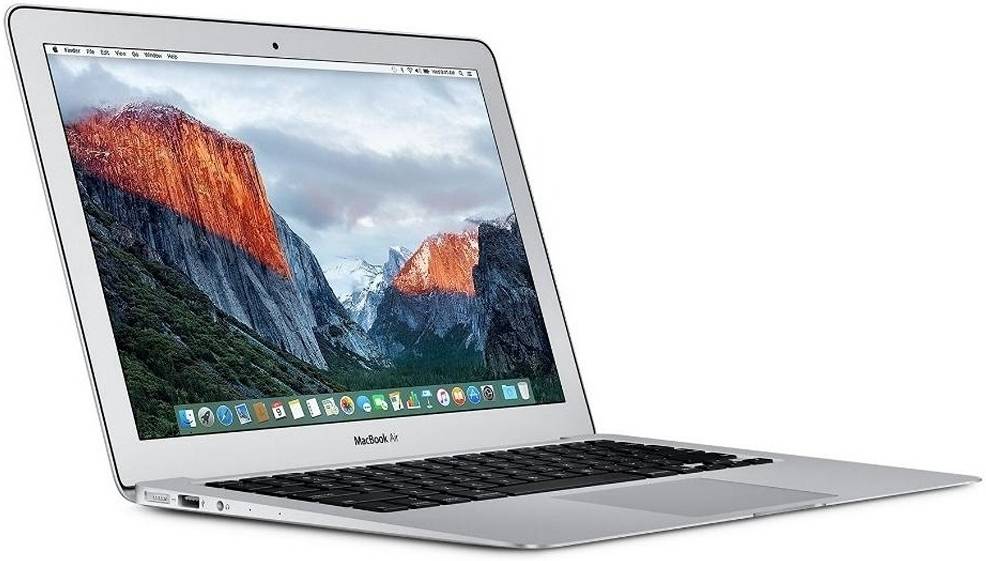
- Legacy: A massive upgrade over the old TN panel.
5. Graphics
- GPU: Intel UHD Graphics 617
- Execution Units: 24 EUs
- Performance: Slightly better than HD 6000 but still limited to basic tasks and 4K display output. Not suitable for gaming or creative workloads.
6. Design & Build
- Dimensions: 304.1 × 212.4 × 15.6 mm
- Weight: 1.25 kg (2.75 lbs)
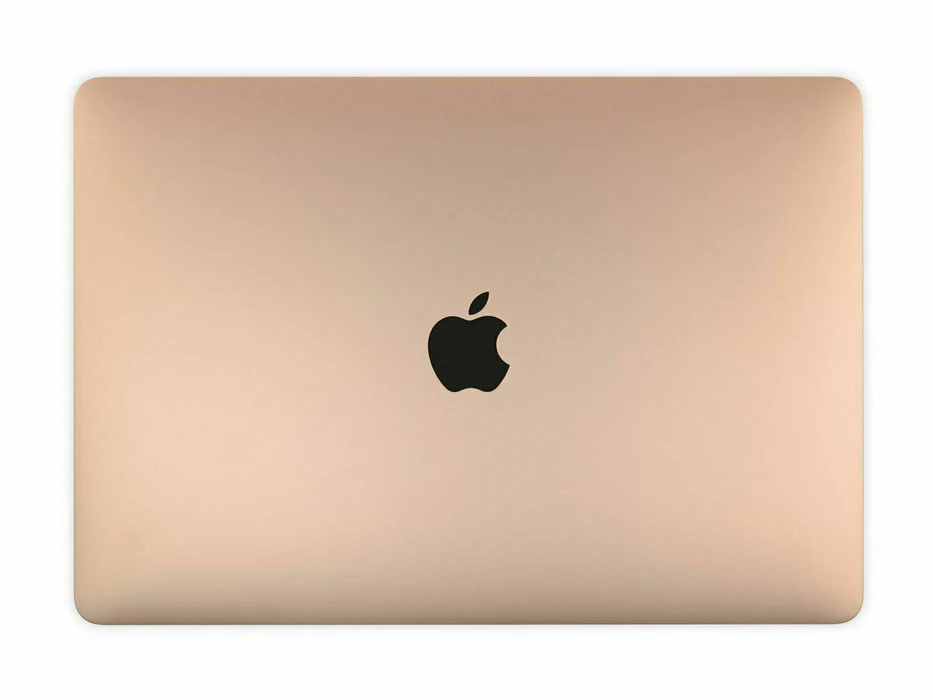
- Chassis: 100% recycled aluminum unibody
- Colors: Silver, Space Gray, Gold
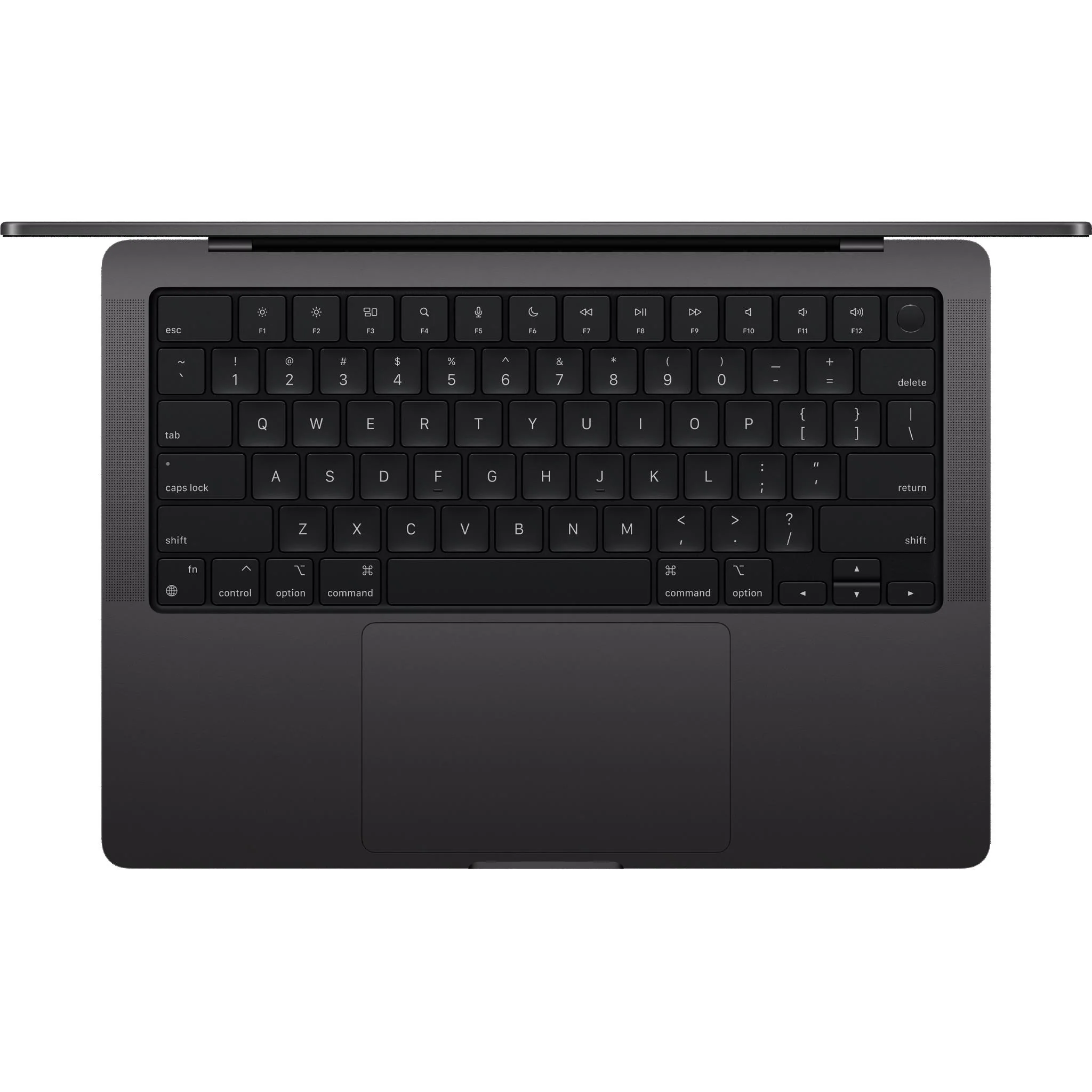
- Keyboard: Butterfly mechanism (3rd generation) – high failure rate
- Trackpad: Force Touch trackpad
- Touch ID: Integrated with Apple T2 security chip
7. Connectivity & Ports
- Ports: 2 × Thunderbolt 3 (USB-C), 1 × 3.5mm headphone jack
- Missing: USB-A, HDMI, SD card reader, MagSafe
- Wireless: Wi-Fi 5 (802.11ac), Bluetooth 5.0
8. Audio & Video
- Speakers: Stereo speakers with wider stereo separation
- Microphones: Three-microphone array
- Webcam: 720p FaceTime HD camera
9. Battery & Power
- Battery: 49.9Wh lithium-polymer
- Battery Life: 8–10 hours real-world usage
- Charging: 30W USB-C power adapter
- T2 Chip: Secure boot, encryption, Touch ID, “Hey Siri”
10. Software & Support
- Original OS: macOS Mojave (10.14)
- Last Official macOS: macOS Monterey (12.7)
- Status: Obsolete for new Apple software support
- Unofficial Support: Ventura / Sonoma via OpenCore Legacy Patcher
- Keyboard Program: Expired (repairs now cost $300–$500)
Final Verdict: Beauty with Baggage
The 2018 MacBook Air is a visually stunning but deeply compromised machine. Its Retina display and modern design are undermined by weak sustained performance and a notoriously unreliable keyboard. Today, it should only be purchased with full awareness of its limitations and risks. In nearly all cases, the M1 MacBook Air represents a vastly superior investment.