Executive Summary
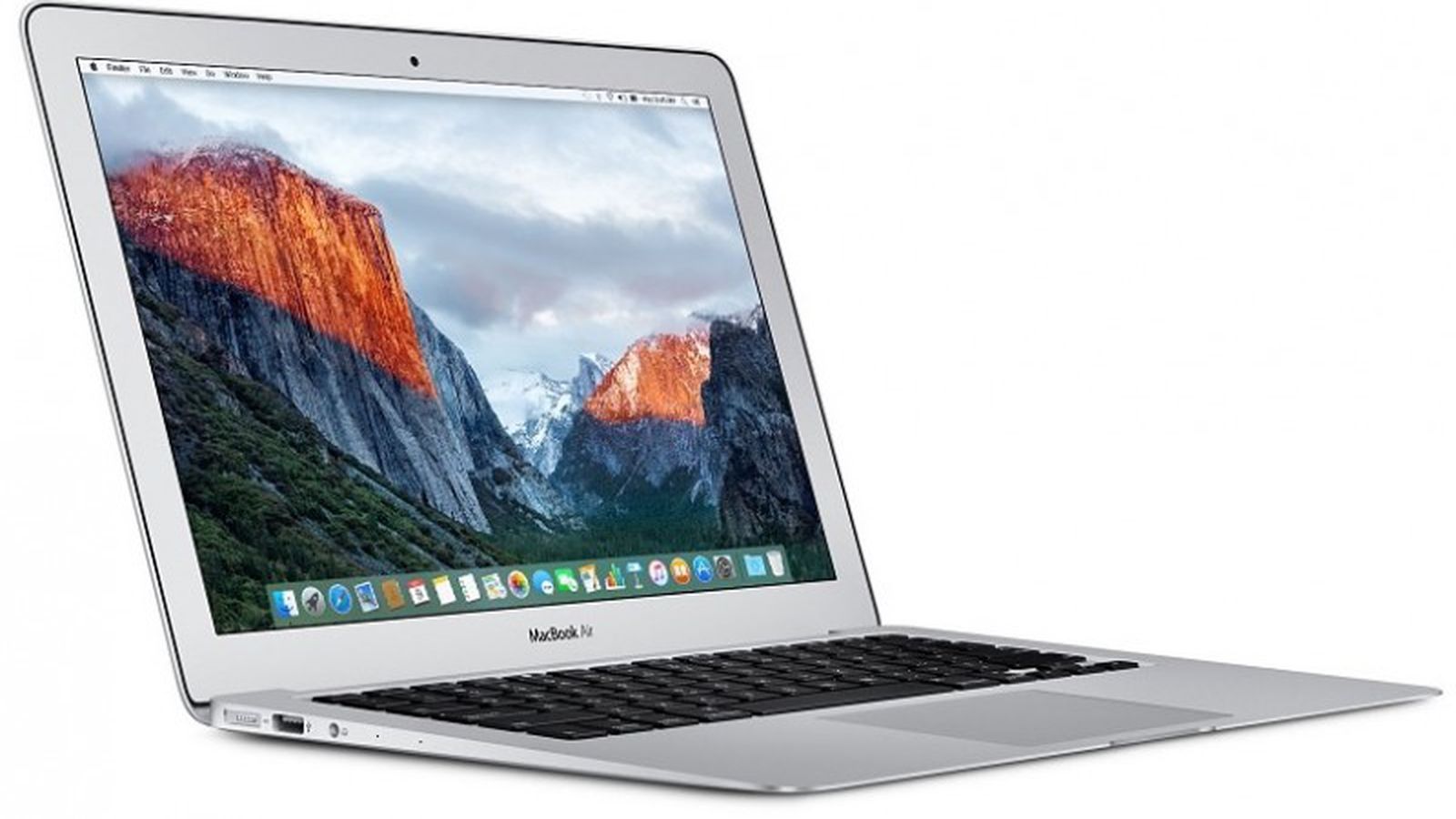
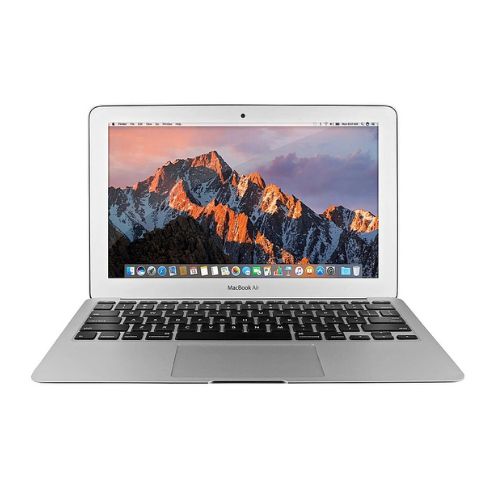
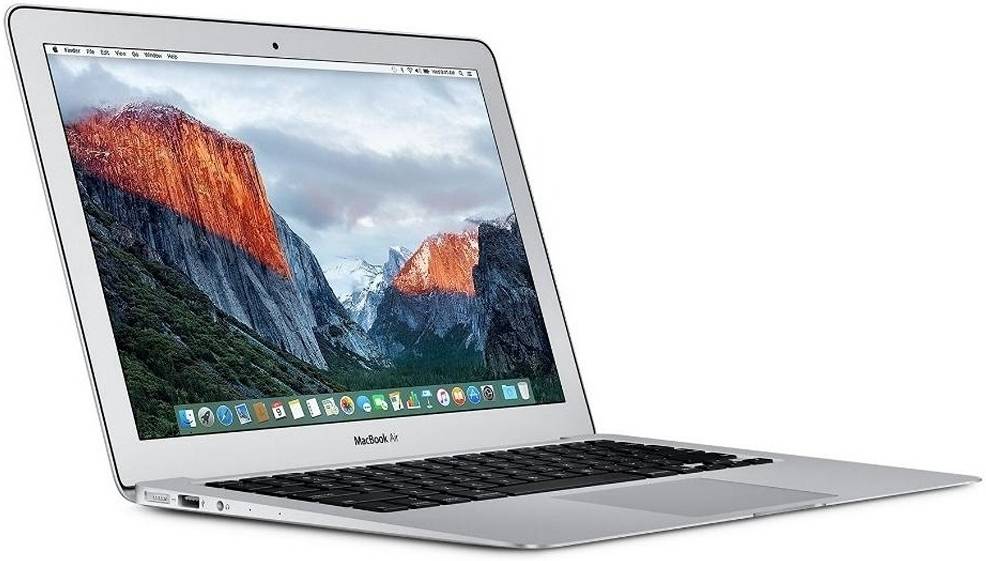
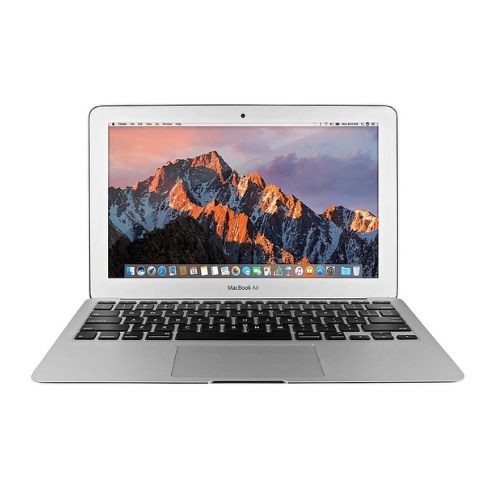
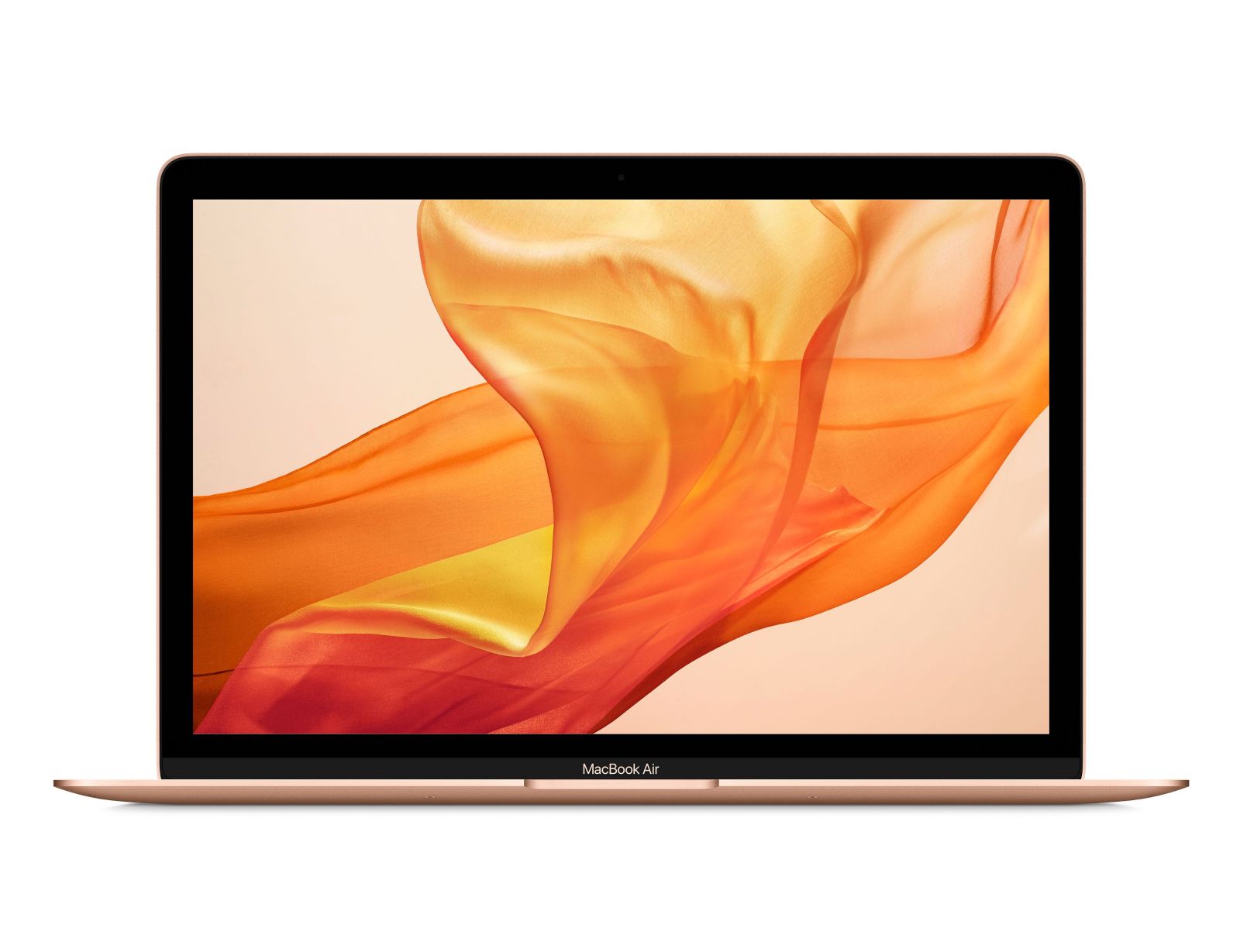
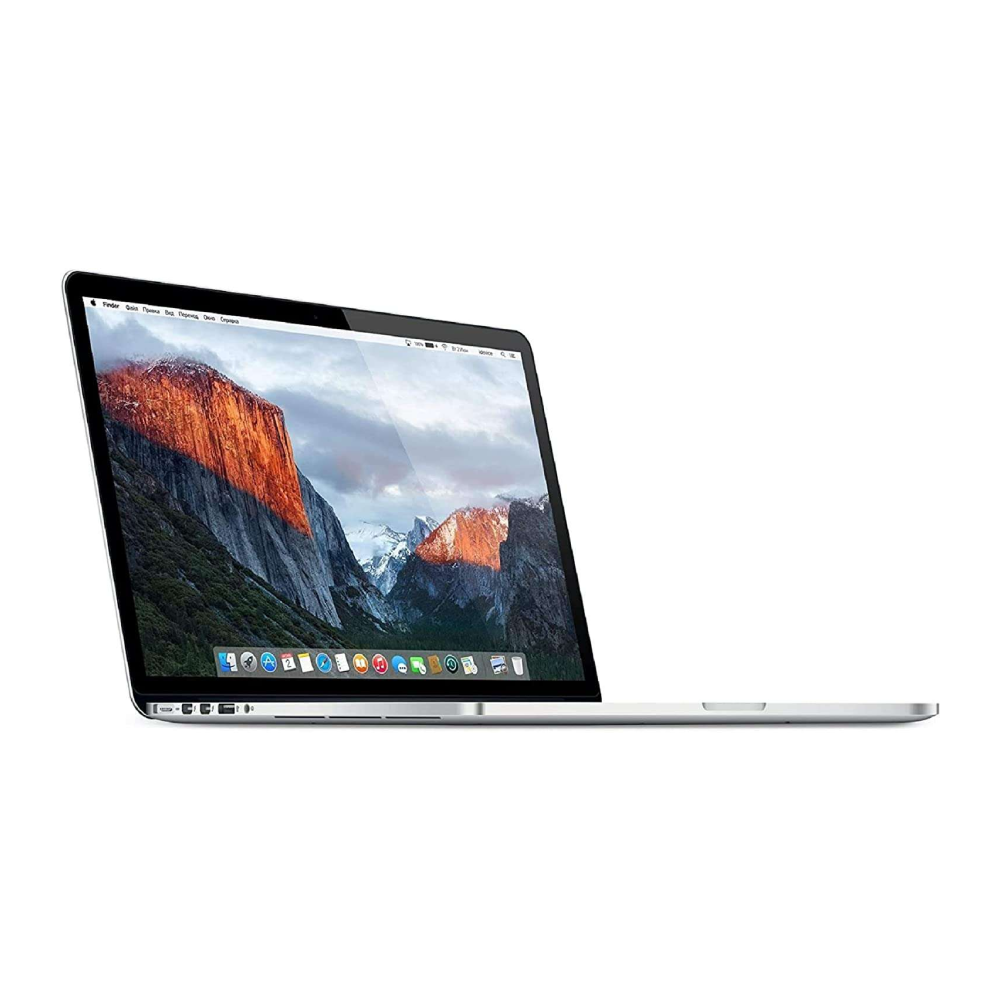
The 11-inch MacBook Air (Early 2015, Model A1465) was Apple's most portable laptop ever made, representing the final generation of the ultra-compact Air lineup. Weighing just 1.08 kg, it featured the same 5th Gen Intel Broadwell architecture as its 13-inch sibling but in Apple's smallest laptop form factor. Discontinued in late 2016, it remains a cult favorite for its unmatched portability, though its technical specs are severely limited by modern standards.
Detailed Specifications
1. Processor (CPU)
- Model: Intel Core i5-5250U (Broadwell)
- Cores/Threads: Dual-core with Hyper-Threading (2 cores, 4 threads)
- Clock Speed: 1.6 GHz base, up to 2.7 GHz Turbo Boost
- Cache: 3MB L3 cache
- TDP: 15W
- Architecture: 14nm process
- Configurable Option: Could be custom-ordered with i5-5350U (1.8 GHz base, up to 2.9 GHz)
- Status: Soldered - not user-replaceable
2. Memory (RAM)
- Type: LPDDR3 (Low-Power DDR3)
- Speed: 1600 MHz
- Capacity: 4GB (base) or 8GB (BTO option)
- Configuration: Soldered directly to logic board
- Critical Note: 4GB models are essentially unusable for modern tasks. 8GB is the absolute minimum for any functional use in 2024.
3. Storage (SSD)
- Type: Apple PCIe 2.0-based SSD (Proprietary connector)
- Interface: Apple's proprietary blade-style connector
- Standard Capacities: 128GB (base), 256GB (upgrade option)
- Upgrade Path: Possible via:
- Apple OEM SSD (from other 2013-2017 Macs)
- Sintech/OWC adapter + standard NVMe M.2 SSD (may require power management fixes)
- Real-World Speed: ~700 MB/s read, ~400 MB/s write (for original SSD)
4. Display
- Size: 11.6-inch diagonal
- Resolution: 1366 x 768 pixels (16:9 aspect ratio)
- Pixel Density: 135 PPI (lower than 13" model's 127 PPI, but smaller screen)
- Panel Type: TN (Twisted Nematic) with LED backlight
Quality Issues:
- Very poor viewing angles (severe color shift when not viewed head-on)
- Low resolution by any modern standard
- Not a Retina display - text appears pixelated
- Brightness: 300 nits
- Color Gamut: Covers approximately 60% of sRGB
5. Graphics & Performance
- Integrated GPU: Intel HD Graphics 6000 (48 execution units)
- VRAM: Dynamically shares system RAM (up to 1.5GB allocated)
Performance Context:
- 20-30% faster than HD 5000 in 2014 model
- Can handle 1080p video playback
- Struggles with modern web content
- Not suitable for gaming beyond very basic titles
6. Design & Portability
- Dimensions: 300 x 192 x 17 mm (11.8" x 7.56" x 0.68")
- Weight: 1.08 kg (2.38 lbs) - Extremely light
- Thickness: 3mm at thinnest point, 17mm at thickest (wedge design)
- Chassis: Unibody aluminum
- Color: Silver
- Keyboard: Full-size backlit keyboard (scissor-switch mechanism)
- Trackpad: Glass Multi-Touch trackpad
7. Connectivity & Ports
- Left Side:
- 1 x USB 3.0 (5 Gbps)
- 1 x Thunderbolt 2 (Mini DisplayPort form factor, 20 Gbps)
- Right Side:
- 1 x USB 3.0 (5 Gbps)
- 1 x 3.5mm headphone jack
- Back Center: MagSafe 2 power port
Missing Ports:
- No SD card reader (unlike 13" model)
- No HDMI
- No USB-C/Thunderbolt 3
- No Ethernet
8. Battery & Power
- Battery Capacity: 38 watt-hour lithium-polymer
- Battery Life (Original):
- Apple claim: 9 hours web browsing
- Real-world (2015): 7-8 hours typical use
- Battery Life (2024 estimate): 3-5 hours (due to degradation)
- Power Adapter: 45W MagSafe 2 power adapter
- Charging Time: ~2.5 hours to full charge
9. Camera & Audio
- Webcam: FaceTime HD camera (720p resolution)
- Microphone: Dual microphones
- Speakers: Stereo speakers (bottom-firing)
- Audio Quality: Basic - sufficient for video calls, not for media consumption
10. Software & Compatibility
- Original OS: OS X Yosemite (10.10)
- Last Official macOS: macOS Catalina (10.15) - support ended 2022
- Current Security Status: No security updates from Apple
Unofficial Options:
- macOS Monterey (12) via OpenCore Legacy Patcher
- Linux distributions (Ubuntu, Fedora work well)
- Windows 10/11 via Boot Camp (driver support limited)
Modern Browser Support: Chrome/Firefox still work on Catalina but will lose support soon
Unique Aspects of the 11-inch Model
Advantages over 13-inch model:
- Extreme portability: Fits in small bags easily
- Lower price point: Was $899 vs $999 for 13"
- Same CPU performance as 13" model
Disadvantages vs 13-inch model:
- No SD card reader
- Smaller keyboard (shorter key travel)
- Smaller trackpad
- Smaller battery (38Wh vs 54Wh)
- Even lower resolution display
Modern Usability Assessment (2024)
Potentially Usable For:
- Basic word processing (offline)
- Terminal/SSH client for server management
- E-reader for PDFs (with zooming)
- Light web browsing (1-3 tabs maximum)
- Media playback (local 1080p files)
Completely Inadequate For:
- Modern web browsing (Google Docs, Figma, etc.)
- Video conferencing (Zoom/Teams struggle)
- Multiple applications open simultaneously
- Photo/video editing
- Any modern software development
Critical Requirements for 2024 Use:
- 8GB RAM (4GB models are e-waste)
- 256GB SSD (128GB fills instantly)
- Battery replacement (almost certainly needed)
- Linux or patched macOS (Catalina is unsafe)
Market Value & Buying Advice
Current Market Price (Used):
- 4GB/128GB: $80-120 (collector/nostalgia value only)
- 8GB/256GB: $120-180 (functional if expectations are low)
- Excellent condition 8/256: $150-200
What to Check Before Buying:
- Battery cycle count (System Information > Power)
- Keyboard condition (common wear on frequently used keys)
- Screen coating (delamination/staining issues)
- Logic board (2015 models had some SSD controller issues)
- MagSafe port (check for physical damage)
Who Should Consider This in 2024:
- Collectors of Apple products
- Linux enthusiasts wanting ultra-portable hardware
- Users needing a disposable travel laptop for basic tasks
- Students on extreme budgets for text-only work
Who Should Avoid:
- Anyone needing reliable daily computing
- Users who value display quality
- Those needing modern software compatibility
- People unfamiliar with Linux/OS patching
Upgrade Potential
Possible Upgrades:
- SSD: Replace with larger NVMe drive + adapter ($50-100)
- Battery: Third-party replacement ($40-60)
- Thermal paste: Improves cooling slightly
- OS: Install Linux or patched macOS
Impossible Upgrades:
- RAM (soldered)
- CPU (soldered)
- Display (proprietary connector, no Retina upgrades)
- Ports (no USB-C possible)
Historical Context & Legacy
The End of an Era:
- Last 11-inch MacBook Air ever made
- Discontinued October 2016
- Replaced by 12-inch MacBook (itself discontinued)
- No true successor in Apple's lineup (iPad Pro is closest)
Why It Was Loved:
- Unmatched portability in a full macOS device
- Perfect for coffee shop work, plane tray tables
- Durable unibody construction
- Classic scissor-switch keyboard
Final Verdict:
The 11-inch MacBook Air (2015) is a historical artifact that represents the pinnacle of ultra-portable macOS computing in its time. In 2024, it serves best as a collector's item, Linux machine, or extreme-budget secondary device. For anyone needing a reliable primary computer, even a base M1 MacBook Air (found for $400-500 used) is 5-10x more capable. This model should only be purchased with nostalgic or experimental intentions, not for practical daily use. Its extreme portability remains impressive, but its technical limitations are severe in the modern computing landscape.