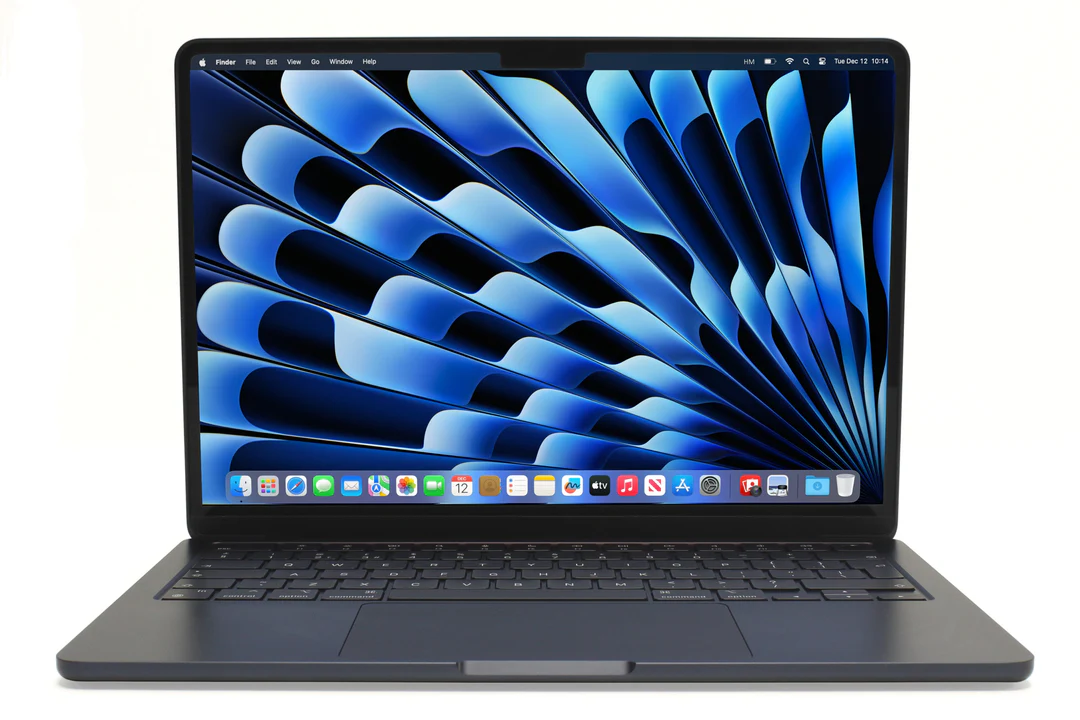
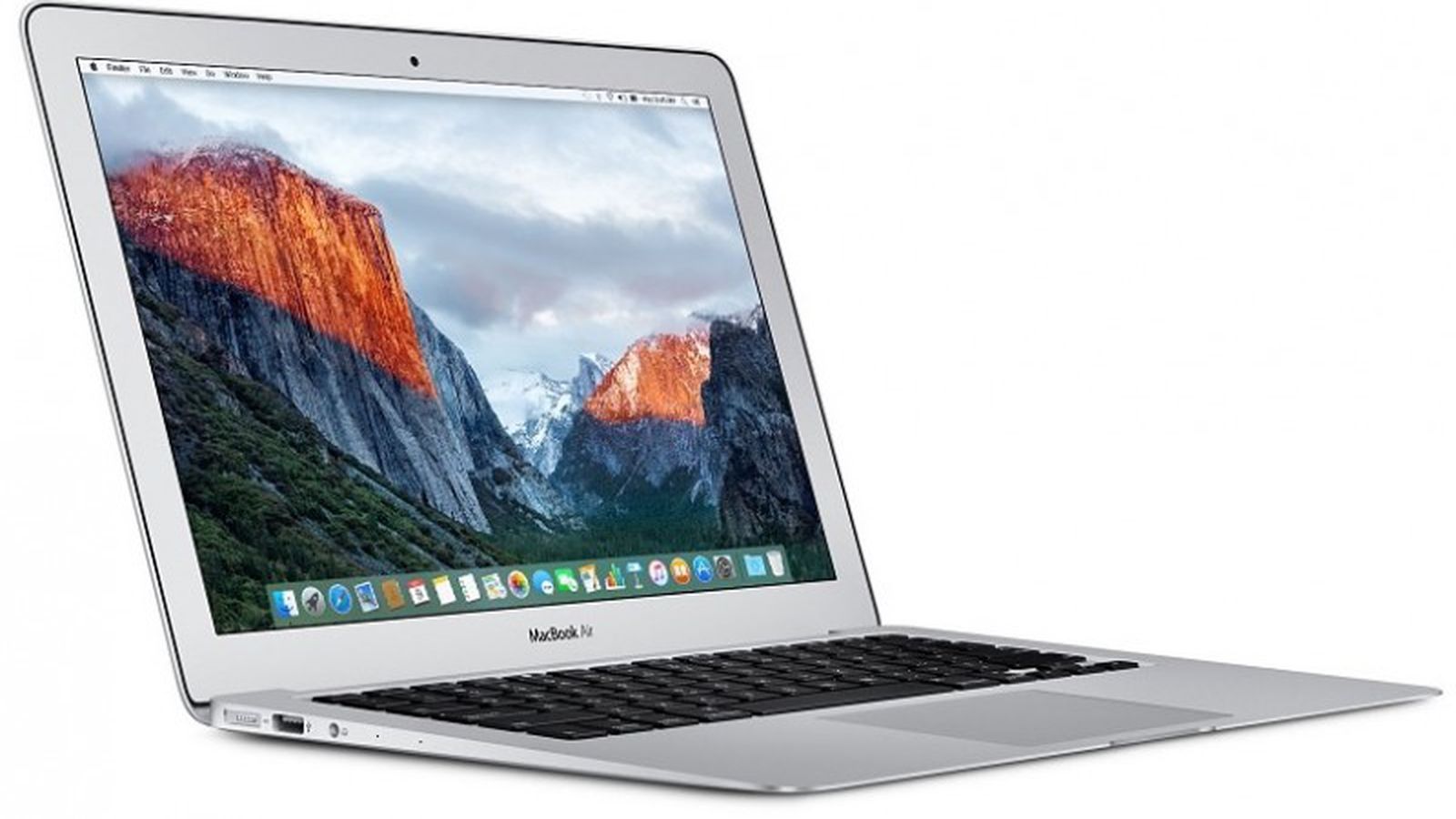
Executive Summary
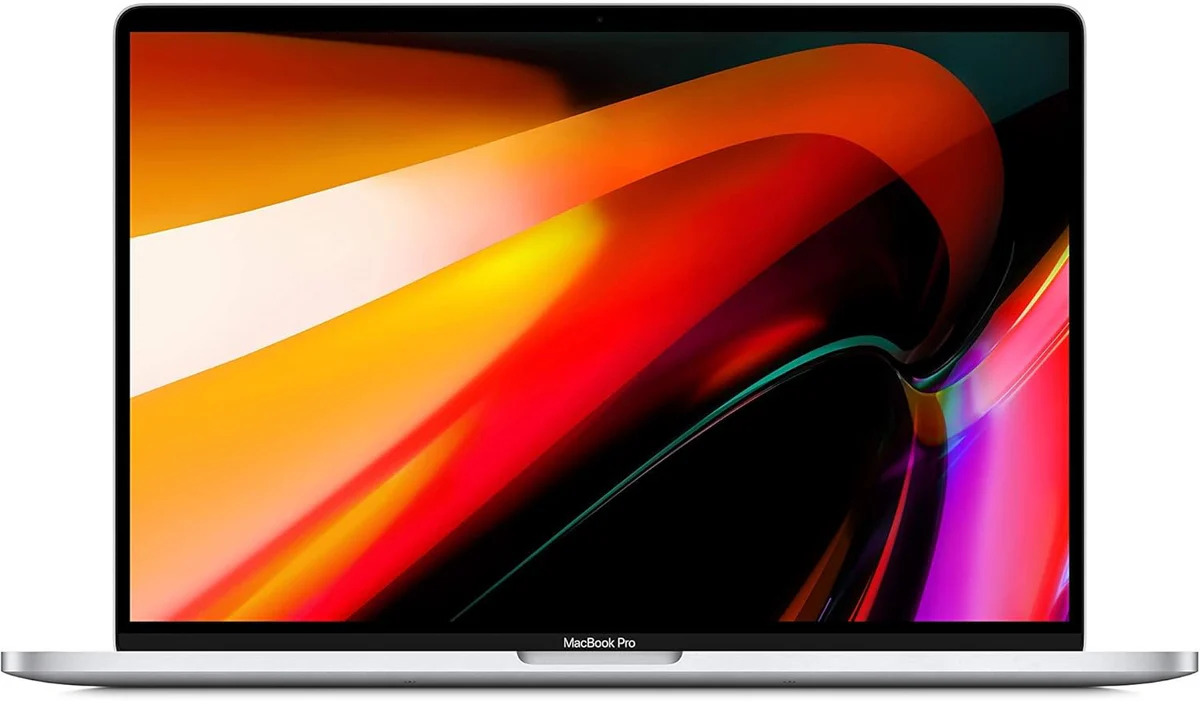
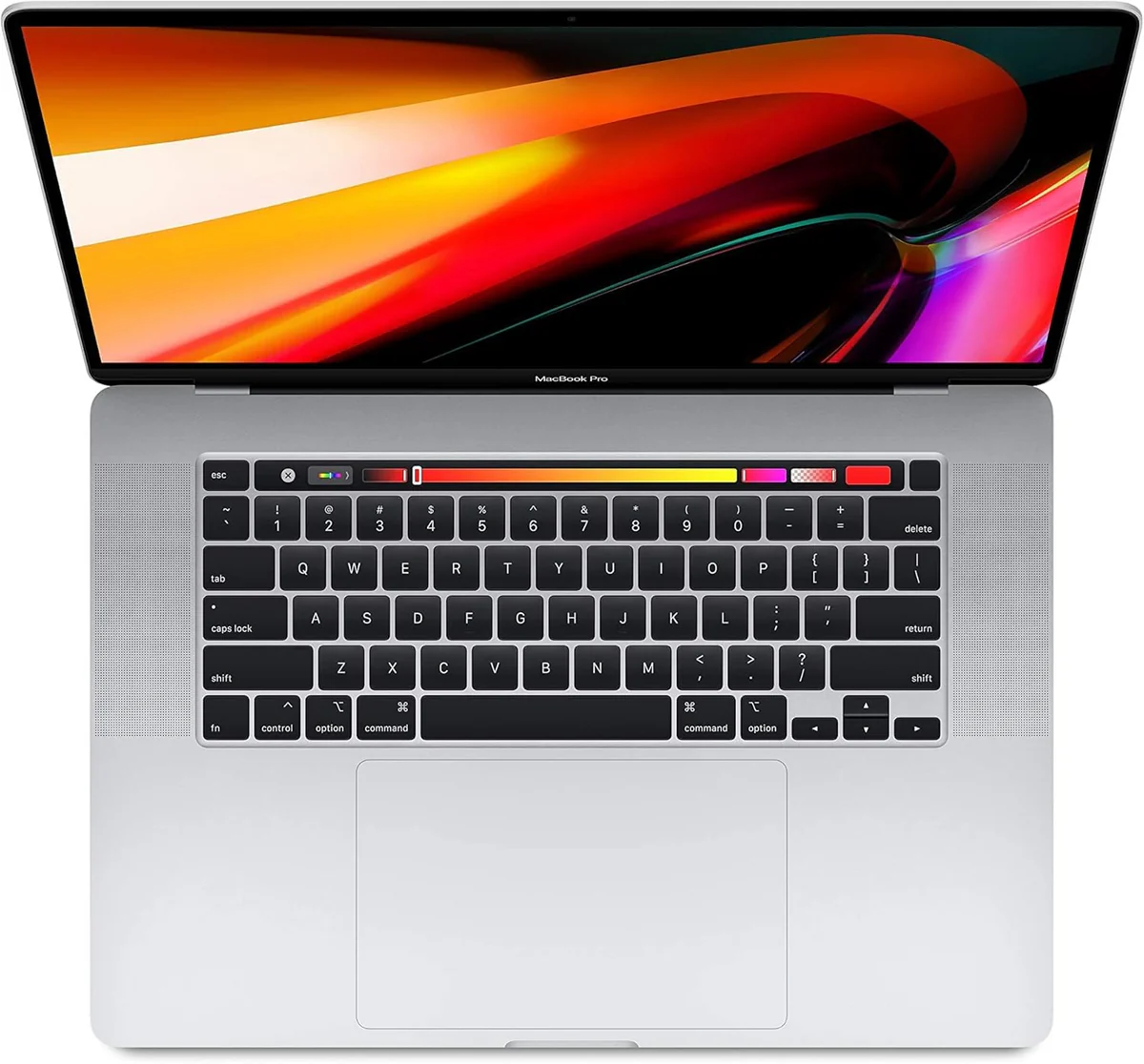
The 2019 16-inch MacBook Pro (A2141) represents Apple's comprehensive response to widespread criticism of the 2016-2019 keyboard era. Dubbed the "fix-it" model, it addressed virtually every major complaint about its predecessors: replacing the unreliable butterfly keyboard with a redesigned scissor-switch Magic Keyboard, improving thermal performance with a larger heatsink and revised fan curve, upgrading to a stunning 16-inch Retina display with slimmer bezels, and implementing a six-speaker audio system that redefined laptop sound quality. As the final and most powerful Intel-based MacBook Pro, it serves as the pinnacle of Apple's Intel architecture while foreshadowing the Apple Silicon revolution that would follow just a year later.
Detailed Specifications
1. Processor (CPU)
Generation: 9th Generation Intel Core (Coffee Lake Refresh)
Base Configurations:
- Intel Core i7-9750H: 6 cores, 12 threads, 2.6-4.5 GHz (Base Model)
- Intel Core i9-9880H: 8 cores, 16 threads, 2.3-4.8 GHz (Standard Upgrade)
- Intel Core i9-9980HK: 8 cores, 16 threads, 2.4-5.0 GHz (Unlocked, BTO only)
Architecture Features:
- Manufacturing Process: 14nm++
- Thermal Design Power: 45W (cTDP configurable 35-65W)
- Cache: 12MB (i7) / 16MB (i9)
- Intel Turbo Boost Max 3.0: Identifies fastest cores for single-threaded tasks
2. Graphics
Discrete GPU: AMD Radeon Pro 5000M Series (Navi architecture)
Available Configurations:
- AMD Radeon Pro 5300M: 4GB GDDR6, 20 compute units (Base)
- AMD Radeon Pro 5500M: 4GB or 8GB GDDR6, 24 compute units (Common)
- AMD Radeon Pro 5600M: 8GB HBM2, 40 compute units (High-end BTO)
Integrated Graphics:
- Intel UHD Graphics 630: For power-efficient tasks and external display management
- Automatic Graphics Switching: Seamless transition between integrated and discrete GPU
Graphics Performance Context:
- 5300M: 30% faster than previous gen 555X, suitable for photo editing, light video work
- 5500M: 60-80% faster than 560X, capable of 4K video editing, moderate 3D work
- 5600M: 75% faster than 5500M, professional 3D rendering, 8K video workflows
3. Display
- Size: 16.0-inch (diagonal) Retina display
- Native Resolution: 3072 x 1920 pixels (226 PPI)
- Aspect Ratio: 16:10 (more vertical space than 16:9)
- Brightness: 500 nits sustained brightness
- Color Gamut: P3 wide color gamut
- Contrast Ratio: 1000:1
- True Tone Technology: Automatically adjusts white balance to ambient light
Display Innovations:
- Thinner Bezels: 0.16-inch border (compared to 0.27-inch on 15-inch model)
- Liquid Retina: Advanced timing controller and LED backlighting
- Resolution Options: Default scaled resolutions provide effective workspace flexibility
4. Memory (RAM)
- Type: DDR4 SDRAM
- Speed: 2666 MHz
- Configuration: Soldered to logic board (not user-upgradeable)
- Standard Configurations:
- 16GB (base model)
- 32GB (common upgrade)
- 64GB (BTO option, i9 models only)
- Memory Bandwidth: 42.7 GB/s
5. Storage (SSD)
- Type: Apple-designed PCIe-based SSD
- Interface: Proprietary Apple connector (similar to but not compatible with Mac Pro SSD)
- Standard Configurations:
- 512GB (base)
- 1TB (common upgrade)
- 2TB, 4TB, 8TB (BTO options)
- Performance:
- Read speeds: ~3000 MB/s
- Write speeds: ~2500 MB/s
- Security: Apple T2 Security Chip with encrypted storage
6. Keyboard & Input
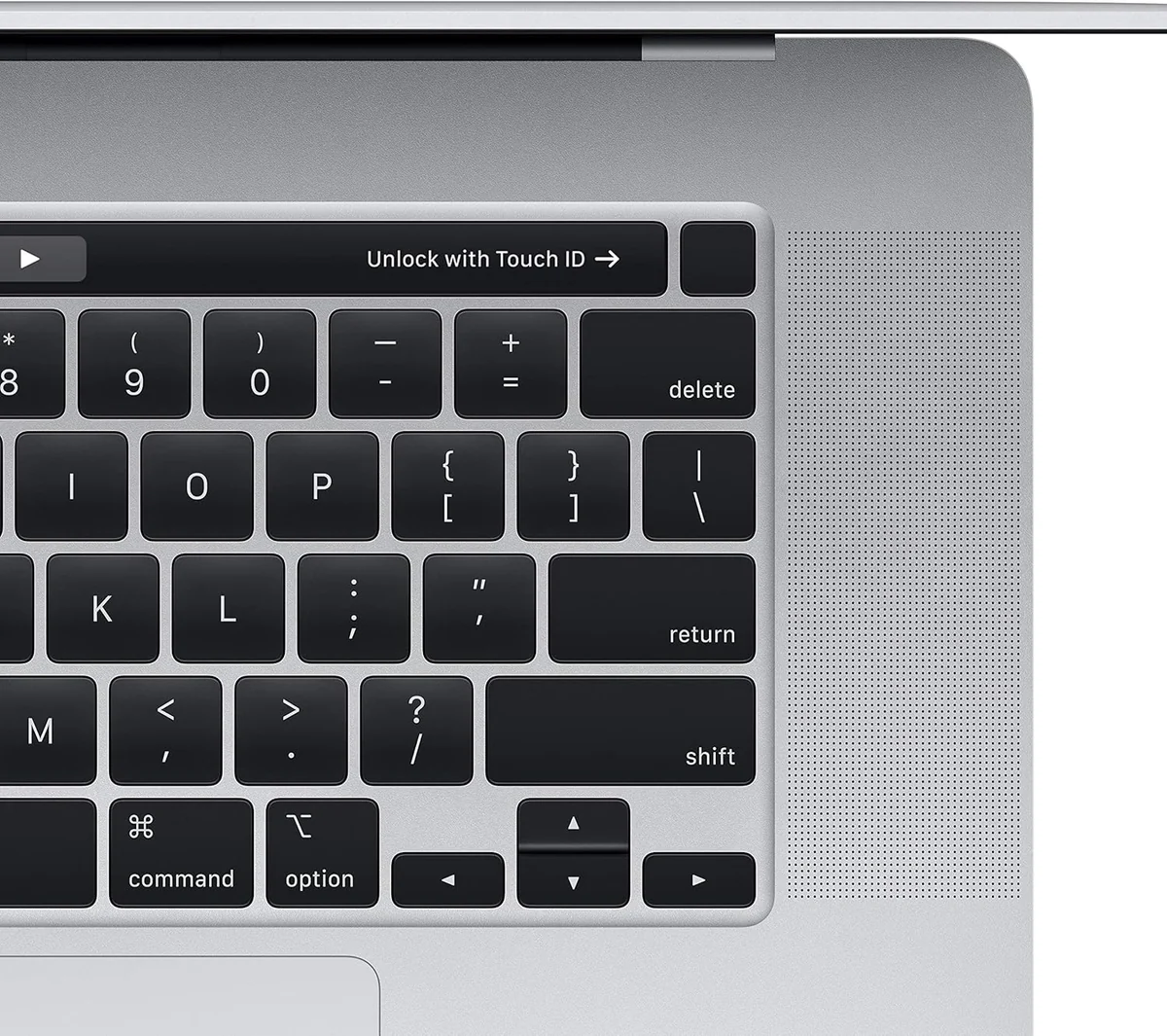
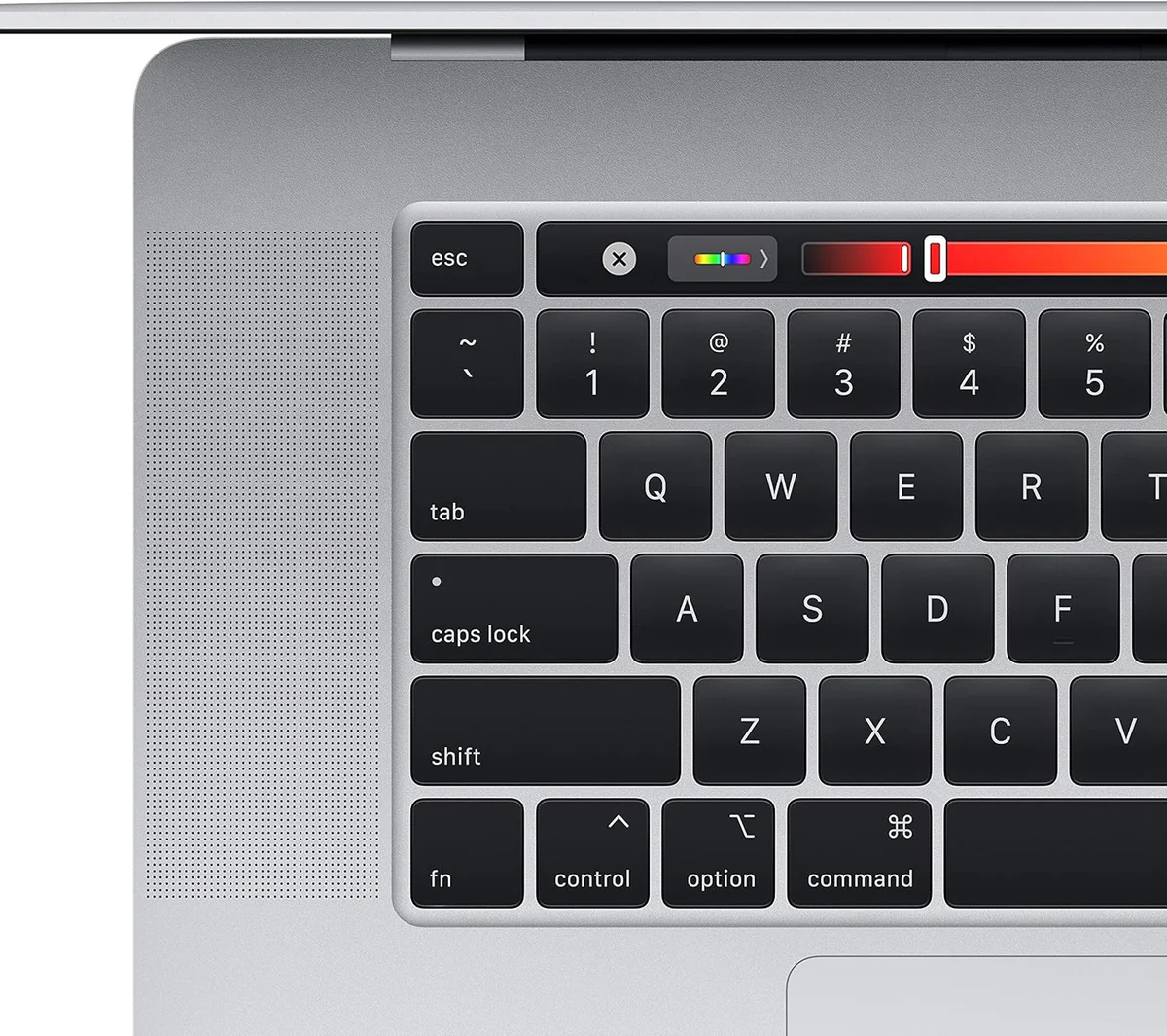
The Magic Keyboard:
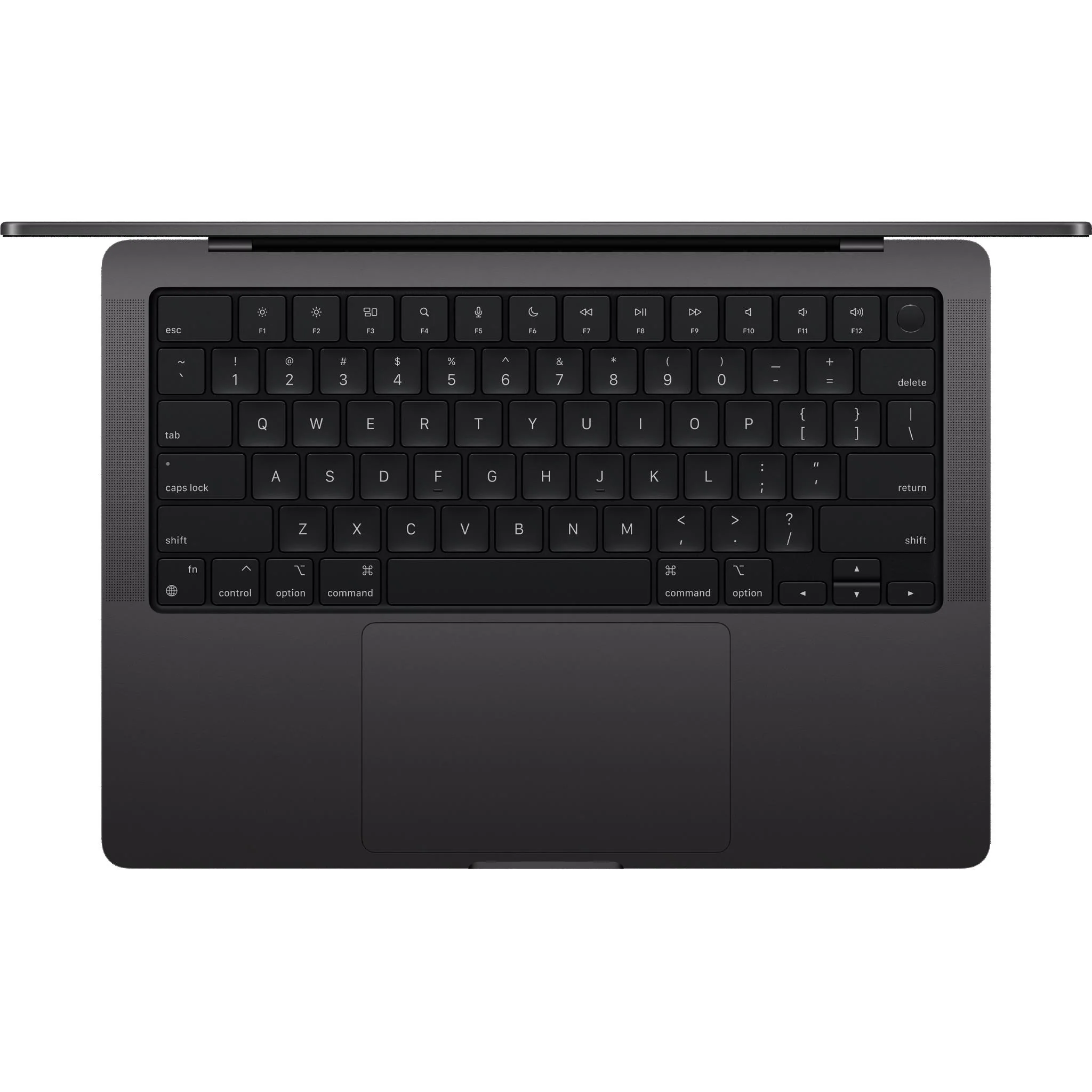
- Mechanism: Redesigned scissor-switch (1mm key travel)
- Key Improvements:
- Physical Escape key (replaces Touch Bar escape)
- Inverted-T arrow key arrangement
- Dome switches beneath each key for better tactile response
- Touch Bar: Retained but with separate Escape key
- Touch ID: Integrated into power button
- Force Touch Trackpad: 20% larger than 15-inch model
7. Audio System
- Speaker Configuration: Six-speaker high-fidelity system
- Woofers: Dual force-cancelling woofers for reduced vibration
- Tweeters: Dual high-performance tweeters
- Microphones: Studio-quality three-microphone array
- Audio Features:
- Wide stereo sound
- Support for Dolby Atmos playback
- High signal-to-noise ratio
8. Thermal Design
- Heatsink: 35% larger volume than 15-inch model
- Fan System: Revised blade geometry for 28% more airflow
- Heat Pipes: Improved routing and increased surface area
- Thermal Result: Sustained performance improved by 12-20% over 2018 15-inch
- Fan Curves: More aggressive cooling to maintain higher clock speeds
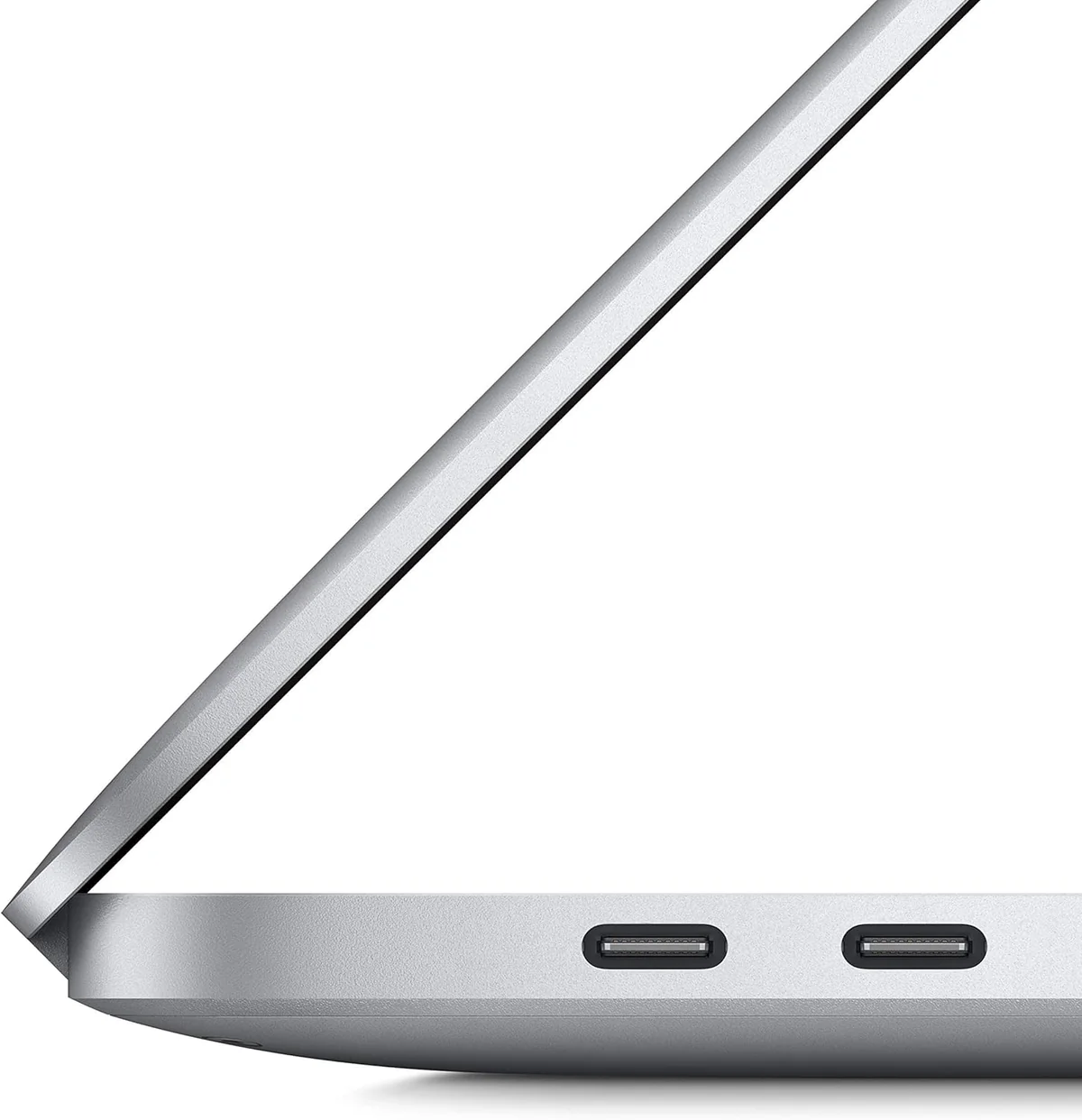
9. Connectivity & Ports
- Left Side:
- 2 x Thunderbolt 3 (USB-C, 40 Gbps)
- 3.5mm headphone jack (high-impedance headphone support)
- Right Side:
- 2 x Thunderbolt 3 (USB-C, 40 Gbps)
- Missing Ports: No USB-A, HDMI, SD card reader, or MagSafe
- Wireless:
- Wi-Fi 5 (802.11ac, 3x3 MIMO)
- Bluetooth 5.0
10. Battery & Power
- Battery Capacity: 100 watt-hour lithium-polymer (maximum allowed on airplanes)
- Power Adapter: 96W USB-C Power Adapter (included)
- Battery Life (Apple Claim):
- Up to 11 hours wireless web
- Up to 11 hours Apple TV app movie playback
- Real-World Battery: 6-9 hours depending on workload and GPU usage
The "Fix-It" Improvements
1. Keyboard Revolution:
- Butterfly to Scissor: Complete mechanism redesign addressing reliability issues
- Key Travel: Increased from 0.7mm to 1mm
- Reliability: New membrane design preventing dust/debris ingress
- Industry Response: Widely praised as massive improvement over previous generation
2. Thermal Management:
- Heat Dissipation: Larger heatsink and improved airflow reduced thermal throttling
- Sustained Performance: CPU could maintain higher clock speeds for longer periods
- Acoustic Improvements: Fans remained quieter under moderate loads
3. Audio Breakthrough:
- Industry-Leading Quality: Arguably the best laptop speakers ever made at release
- Force-Cancelling Woofers: Reduced chassis vibration at high volumes
- Professional Applications: Suitable for audio editing and critical listening
Performance Analysis
CPU Performance:
- Single-Core: Competitive with contemporary laptops, but behind AMD Ryzen 4000
- Multi-Core: Strong for 2019, but eclipsed by later AMD and Apple Silicon chips
- Thermal Throttling: Still present under heavy sustained loads, but significantly improved
GPU Performance:
- Professional Workloads: Excellent for video editing, 3D rendering, CAD
- Gaming: Capable of 1080p-1440p gaming at medium-high settings
- VRAM Considerations: 4GB models may struggle with high-res video editing
Real-World Workflows:
- Video Editing: Smooth 4K timeline performance in Final Cut Pro
- Photo Editing: Instantaneous in Lightroom and Photoshop
- Software Development: Excellent for compiling, virtualization, containers
- Music Production: Low-latency audio processing with multiple plugins
Modern Use Assessment (2024)
Still Excellent For:
- Professional Creative Work: Video/photo editing, music production
- Software Development: Local development environments, containers
- Windows via Boot Camp: Excellent Windows gaming/professional workstation
- Dual-Boot Systems: Running multiple operating systems natively
- Legacy Application Support: Software requiring Intel architecture
Limitations in 2024:
- Power Efficiency: Poor compared to Apple Silicon MacBooks
- Battery Life: 4-7 hours real-world use (with battery degradation)
- Heat and Noise: Gets warm and loud under load
- macOS Support: Last official macOS is Monterey; Ventura/Sonoma via OCLP
- Performance Comparison: Outperformed by M1 Pro/Max in most workflows
Unique Advantages in 2024:
- Boot Camp: Native Windows support for gaming/Windows-specific software
- Upgradeable Storage: Some models allow SSD upgrades (not officially supported)
- External GPU Support: Better eGPU compatibility than Apple Silicon
- x86 Compatibility: No Rosetta translation layer needed for Intel apps
Common Issues & Solutions
1. Display Issues:
- Flexgate: Some units developed backlight issues when opening/closing (less common than 2016-2018)
- Solution: Apple Repair Extension Program for affected models
2. Thermal Performance:
- Thermal Throttling: Still occurs under sustained heavy loads
- Solutions: External cooling pads, undervolting (pre-macOS updates), thermal paste replacement
3. Battery Health:
- Degradation: 4+ year old batteries showing reduced capacity
- Replacement: Battery service available from Apple and third parties
Market Value & Buying Guide (2024)
Current Market Prices (Used):
- i7/16GB/512GB/5300M: $700-900
- i9/16GB/1TB/5500M: $850-1100
- i9/32GB/1TB/5500M 8GB: $950-1200
- i9/64GB/2TB/5600M: $1200-1500 (rare, premium pricing)
What to Check Before Buying:
- Battery Cycle Count: Under 500 ideal, over 800 expect reduced capacity
- Keyboard Condition: Test all keys, especially frequently used ones
- Display Uniformity: Check for backlight bleed, dead pixels, image retention
- Thermal Performance: Run Cinebench R23 to check for severe throttling
- Logic Board Health: Check for kernel panics, unexpected shutdowns
Comparison with Successors
vs. M1 Pro/Max MacBook Pro (2021):
- Apple Silicon Advantages: Much better performance per watt, cooler operation, longer battery life
- Intel Advantages: Boot Camp, better eGPU support, native x86 compatibility
vs. Intel Windows Workstations:
- MacBook Pro Advantages: macOS, build quality, display quality, touchpad
- Windows Advantages: More GPU options, better gaming support, easier upgrades
Target Buyer in 2024
Ideal For:
- Boot Camp Users: Professionals needing native Windows for specific applications
- Legacy Workflow Holdouts: Users with Intel-specific software requirements
- Budget-Conscious Professionals: Those needing pro performance under $1000
- External GPU Users: Creatives using eGPU setups for maximum graphics power
- Dual-Boot Enthusiasts: Users running multiple operating systems natively
Not Ideal For:
- General Users: M1/M2 MacBook Air offers better value for most people
- Mobile Professionals: Those prioritizing battery life and cool operation
- Future-Proof Seekers: Buyers wanting long-term macOS support
- Apple Silicon Optimized Workflows: Users of apps optimized for Apple Silicon
Upgrade Potential
Possible Upgrades:
- Storage: SSD upgrades possible with special adapters and compatible drives
- Thermal Improvements: Thermal paste replacement, external cooling solutions
- Operating Systems: Windows/Linux via Boot Camp, newer macOS via OpenCore
Impossible Upgrades:
- RAM: Soldered and not upgradeable
- GPU: Soldered to logic board
- CPU: Soldered to logic board
- Wi-Fi: Cannot upgrade to Wi-Fi 6/6E
Historical Significance
The Pinnacle of Intel Macs:
- Final Evolution: Represents the culmination of 15 years of Intel-based Mac development
- Problem Solver: Fixed nearly all major complaints of the 2016-2018 era
- Transition Machine: Bridges the gap between Intel and Apple Silicon eras
Why It Matters:
- Keyboard Revolution: Proved Apple could listen to feedback and make substantial improvements
- Thermal Lessons: Demonstrated the limitations of Intel chips in thin laptops
- Apple Silicon Catalyst: Highlighted the need for Apple's own silicon solution
Final Verdict
The 2019 16-inch MacBook Pro stands as both an apology and a triumph - Apple's comprehensive fix for the flawed 2016-2018 design and the most powerful Intel MacBook ever created. Its Magic Keyboard, improved thermals, stunning display, and exceptional audio system addressed virtually every criticism of its predecessors while delivering professional-grade performance.
In 2024, it occupies a unique niche: a powerful Intel workstation with macOS compatibility that's available at significant discounts compared to its original price. Its value proposition hinges entirely on specific needs: Boot Camp for Windows gaming or professional applications, legacy software requiring Intel architecture, or professional workflows that benefit from its specific combination of features.
For most users in 2024, an Apple Silicon MacBook Pro offers better performance, efficiency, battery life, and longevity. However, for those with specific needs that only an Intel Mac can fulfill - particularly Boot Camp or certain professional applications - the 2019 16-inch MacBook Pro represents the best of what Intel-based Macs had to offer and continues to be a viable professional tool at the right price point.
Bottom Line: Buy this if you specifically need Intel architecture, Boot Camp, or find an exceptional deal on a high-spec configuration. For everyone else, Apple Silicon MacBooks provide better value and performance in nearly every metric.