1 / 2
Product Description
Product Information
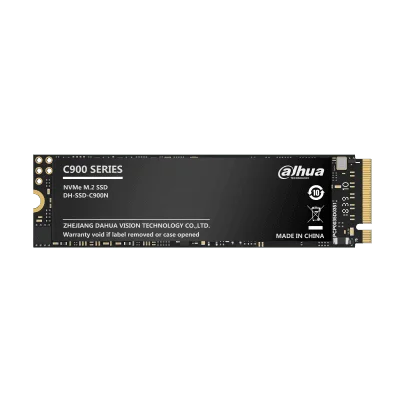
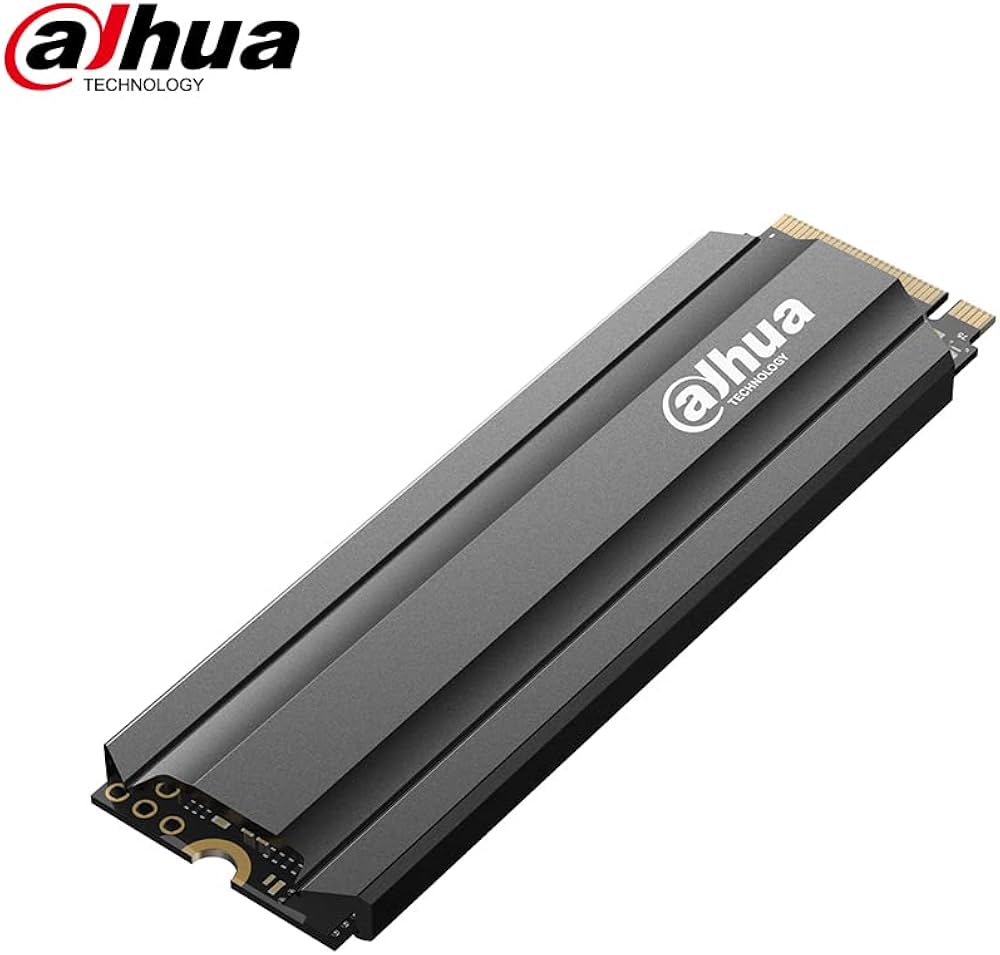
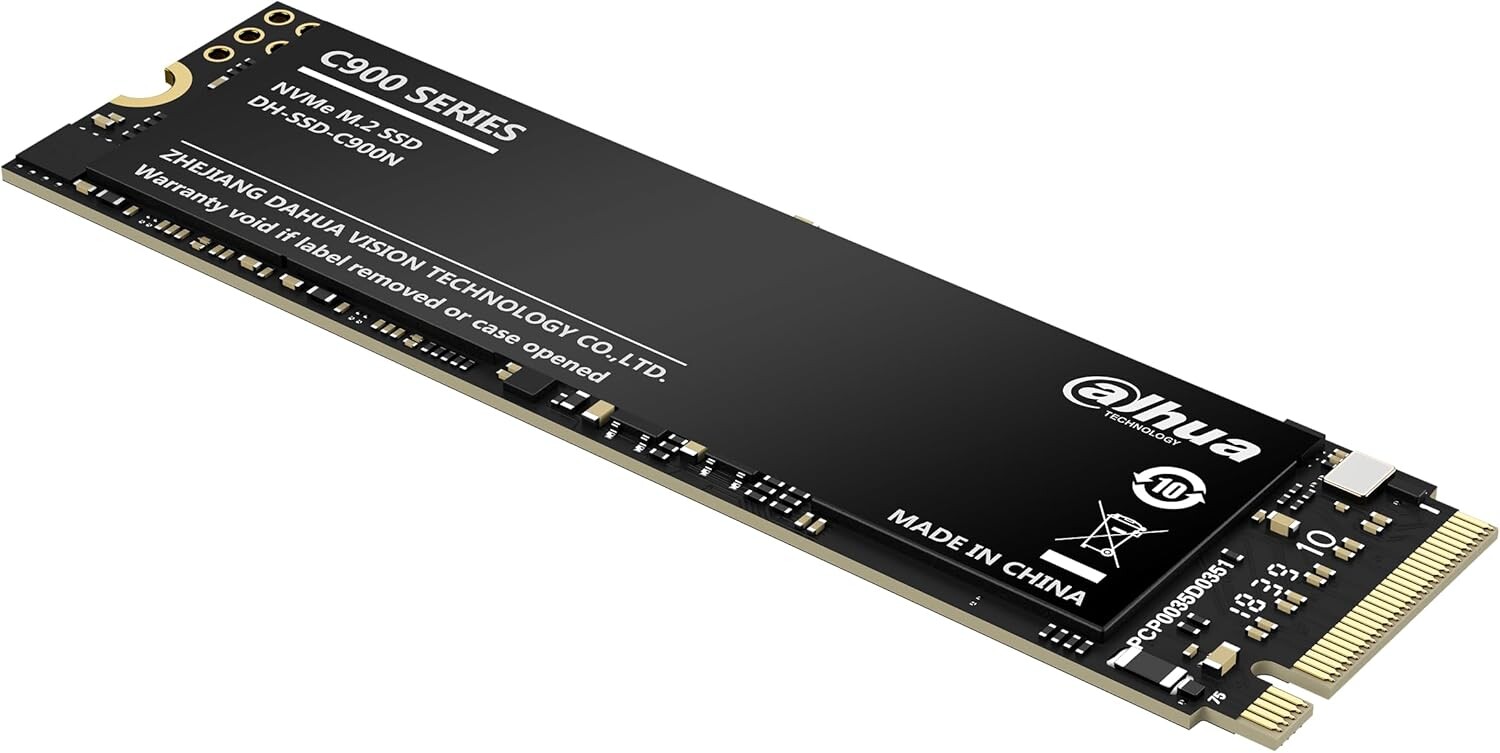
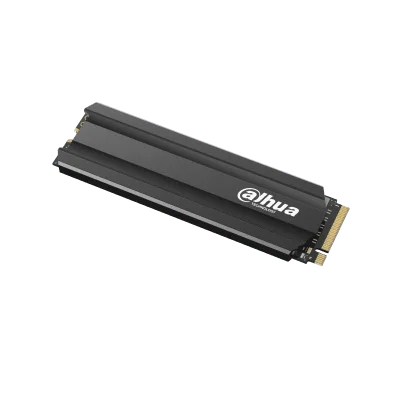
- Product Name: Dahua 512GB NVMe M.2 PCIe SSD
- Model Series: Various (DH-XXX series, specific model varies by production batch)
- Brand: Dahua Technology Co., Ltd.
- Category: NVMe Solid State Drive
- Release Year: 2020-2022 (various production periods)
- Form Factor: M.2 2280 (M-key, PCIe interface only, not SATA compatible)
- Dimensions: 22mm width × 80mm length × 2.2mm thickness (single-sided design)
- Weight: Approximately 8-12 grams
- PCB Color: Green with black/white information label
Performance Specifications
- Sequential Performance (Maximum):
- Read: Up to 2,400 MB/s
- Write: Up to 1,800 MB/s
- Sequential Performance (Sustained):
- Read: 1,800-2,200 MB/s (typical real-world performance)
- Write: 1,200-1,600 MB/s (after SLC cache exhaustion)
- Random Performance (4KB):
- Random Read: 150,000-180,000 IOPS (QD32)
- Random Write: 180,000-200,000 IOPS (QD32)
- Access Time: <0.1ms (typical NVMe SSD latency)
- Queue Depth: Supports up to 64K commands
- SLC Cache Size: Dynamic allocation, approximately 40-80GB depending on drive usage and free space
- Cache Performance: Write speeds maintained at maximum within cache, then reduced to native TLC speeds
Controller & Architecture
- Controller Model: Realtek RTS5763DL or Maxio MAP1202 (or similar entry-to-mid-range NVMe controller)
- Controller Type: 4-channel NVMe controller optimized for TLC NAND
- Processor: 32-bit/64-bit RISC-based processor
- Host Interface: PCIe 3.0 x4 to NVMe bridge with advanced power management
- Error Correction: LDPC (Low-Density Parity Check) ECC engine with strong error correction capability
- Wear Leveling: Dynamic and static wear leveling algorithms for extended lifespan
- Bad Block Management: Automatic bad block detection and remapping
- Garbage Collection: Advanced background garbage collection with TRIM support
- RAID Engine: Integrated RAID engine within controller for data protection
NAND Flash Memory
- NAND Type: 3D TLC (Triple-Level Cell) NAND Flash
- 3D Layers: 64-layer or 96-layer 3D NAND technology (depending on manufacturing date)
- Manufacturer: YMTC (Yangtze Memory Technologies Corp) or other Chinese NAND manufacturers
- Memory Density: 512Gb (64GB) per die, typically 8 dies for 512GB capacity
- Page Size: 16KB typical page size
- Block Size: 4MB typical block size
- Plane Configuration: 2 planes per die for improved parallelism
- P/E Cycles: 1,000-1,500 Program/Erase cycles per cell (typical for consumer TLC NAND)
Memory Configuration & Cache
- DRAM Configuration: DRAM-less design (no physical DRAM on board)
- HMB (Host Memory Buffer): Utilizes system RAM as FTL (Flash Translation Layer) cache
- HMB Allocation: Typically 64MB allocated from system memory (managed by NVMe driver)
- SLC Cache: Dynamic SLC caching technology (portion of TLC NAND operates as SLC for performance)
- Cache Strategy: Adaptive caching based on workload and available free space
- Performance Impact: HMB reduces performance penalty of DRAM-less design compared to traditional DRAM-less SSDs
Endurance & Reliability
- TBW (Total Bytes Written): 300 Terabytes (300,000 GB written)
- DWPD (Drive Writes Per Day): 0.16 DWPD (based on 5 years at 512GB per day)
- MTBF (Mean Time Between Failures): 1,500,000 hours
- UBER (Unrecoverable Bit Error Rate): <1 sector per 10^17 bits read
- Data Retention:
- 1 year at 30°C after endurance specification is reached
- 3 months at 40°C after endurance specification is reached
- Power Loss Protection: Basic capacitor array for data protection during sudden power loss (if present)
- SMART Support: Complete SMART attribute monitoring with predictive failure analysis
Power Consumption
- Active Power (Read/Write): 3.0-4.0W (maximum during heavy operations)
- Average Active Power: 2.5-3.0W (typical during mixed workloads)
- Idle Power: 30-50mW (device idle with background operations)
- Slumber Power: 10-20mW (low-power state)
- DevSleep Power: 5-10mW (deep sleep state)
- Operating Voltage: 3.3V ±5% DC
- Peak Current: 1.2A maximum (during initialization and heavy writes)
- Power States: Supports NVMe power states PS0 through PS4
- Power Management: APST (Autonomous Power State Transition) for automatic power saving
Environmental Specifications
- Operating Temperature: 0°C to 70°C (32°F to 158°F)
- Storage Temperature: -40°C to 85°C (-40°F to 185°F)
- Operating Humidity: 5% to 95% relative humidity (non-condensing)
- Storage Humidity: 5% to 95% relative humidity (non-condensing)
- Operating Altitude: Up to 10,000 feet (3,048 meters)
- Shock Resistance:
- Operating: 1500G, 0.5ms half-sine wave
- Non-operating: 1500G, 0.5ms half-sine wave
- Vibration Resistance:
- Operating: 20-2000Hz, 20G
- Non-operating: 20-2000Hz, 20G
Compatibility & System Requirements
- M.2 Interface: Requires M.2 M-key socket (PCIe NVMe compatible, not SATA M.2)
- Operating System Support:
- Windows 10/11 (native NVMe driver support)
- Linux (kernel 3.3+ with NVMe modules)
- macOS (on compatible Mac systems with M.2 PCIe slots)
- Chrome OS (on compatible Chromebooks)
- BIOS/UEFI Requirements: UEFI firmware with NVMe boot support for use as boot drive
- System Compatibility:
- Desktop motherboards with M.2 PCIe Gen 3.0 slots
- Laptops with M.2 PCIe NVMe slots
- Mini PCs and NUC devices
- PlayStation 5 (with heatsink for compliance with PS5 requirements)
- Xbox Series X/S expansion (with appropriate enclosure)
Features & Technologies
- NVMe Protocol Features:
- Multi-queue support (up to 64K I/O queues)
- MSI-X (Message Signaled Interrupts eXtended) for reduced CPU overhead
- Scalable I/O performance with parallel processing
- Low latency command processing
- Data Protection Features:
- End-to-end data path protection
- LDPC error correction with strong correction capability
- CRC (Cyclic Redundancy Check) for data integrity
- RAID-like protection within NAND array
- Performance Optimization:
- Dynamic thermal throttling to prevent overheating
- Intelligent SLC caching algorithm
- Advanced garbage collection with idle-time optimization
- TRIM command support for maintaining performance
- Security Features (if supported):
- AES 256-bit hardware encryption (may vary by model)
- TCG Opal 2.0 compliance for self-encrypting drive functionality
- Secure Erase support for data sanitization
Warranty & Support
- Warranty Period: 3 years from date of purchase
- Warranty Coverage: Defects in materials and workmanship under normal use
- Warranty Exclusions: Physical damage, misuse, water damage, data loss
- Support Type: RMA (Return Merchandise Authorization) service through distributor or retailer
- Technical Support: Available through Dahua's support channels or authorized distributors
- Firmware Updates: Available from manufacturer website (if provided)
Package Contents
- Dahua 512GB NVMe M.2 PCIe SSD
- Mounting screw (typically included, but may vary by retailer)
- Limited documentation/warranty information
- Anti-static packaging
- Note: No cloning software or migration tools included
Installation Guidelines
- Physical Installation:
- Insert SSD into M.2 slot at 30-degree angle
- Press down gently until seated properly
- Secure with provided mounting screw
- Ensure proper key alignment (M-key matches M.2 slot)
- Software Setup:
- Initialize drive in Disk Management (Windows) or Disk Utility (macOS)
- Format with appropriate file system (NTFS for Windows, APFS/HFS+ for macOS, ext4 for Linux)
- Enable TRIM for optimal long-term performance
- Boot Drive Configuration:
- Enable NVMe boot support in BIOS/UEFI settings
- Set as primary boot device if installing OS
- Install appropriate NVMe drivers if required by older operating systems
Performance Comparison
- Compared to SATA III SSD: 4-5x faster sequential read/write speeds
- Compared to 2.5" HDD: 20-25x faster access times, 8-10x faster sequential transfers
- Compared to PCIe 4.0 NVMe SSD: Approximately 50-60% of sequential speed, similar random performance for many workloads
- Real-World Performance:
- Windows 10/11 boot time: 8-12 seconds
- Application loading: 2-4x faster than SATA SSDs for large applications
- Game level loading: 30-50% faster than SATA SSDs
- File transfers: Excellent for files under 40GB (within SLC cache), moderate for larger files
Use Case Recommendations
- Ideal Applications:
- Primary boot drive for Windows, Linux, or macOS systems
- Gaming drive for faster game loading and level transitions
- Content creation scratch disk for photo editing and light video work
- Office productivity systems requiring fast application loading
- Secondary storage in high-performance workstations
- PS5 storage expansion (with appropriate heatsink)
- Less Suitable For:
- High-end video editing with 4K/8K raw footage (due to sustained write limitations)
- Database servers with heavy random write workloads
- Write-intensive server applications requiring high endurance
- Extreme overclocking systems without proper cooling
- Capacity Considerations: 512GB provides room for OS, applications, and moderate game/library storage
Manufacturer Information
- Company: Dahua Technology Co., Ltd.
- Headquarters: Hangzhou, Zhejiang, China
- Founded: 2001
- Primary Business: Video surveillance products and solutions
- Storage Division: Diversified into SSD manufacturing as complementary business
- Quality Standards: ISO 9001 quality management system certified
- Market Position: Value-oriented storage solutions in competitive market
Important Considerations
- Actual Usable Capacity: Approximately 476GB after formatting and over-provisioning
- Performance Consistency: Write speeds may drop to 400-600 MB/s after SLC cache is exhausted during large file transfers
- Thermal Management: May benefit from motherboard heatsink or aftermarket thermal solution during sustained workloads
- Endurance Planning: 300 TBW equals approximately 164GB written per day for 5 years; suitable for most consumer workloads
- Compatibility Verification: Confirm M.2 slot supports PCIe NVMe (not just SATA) before purchase
- Backup Strategy: Implement regular backups as with any storage device; SSDs can fail suddenly
- Firmware Updates: Check for firmware updates periodically for performance improvements and bug fixes
- Value Assessment: Offers good performance per dollar for budget to mid-range systems requiring NVMe speeds
Technical Specifications
Dahua 512GB NVMe M.2 PCIe SSD
- Capacity: 512GB (approximately 476GB usable after formatting)
- Interface: PCIe Gen 3.0 x4 (NVMe 1.3/1.4 protocol)
- Form Factor: M.2 2280 (22mm width, 80mm length, M-key)
- Sequential Read Speed: Up to 2,400 MB/s (maximum under ideal conditions)
- Sequential Write Speed: Up to 1,800 MB/s (maximum under ideal conditions)
- Random Read IOPS: Up to 180,000 IOPS (4KB QD32)
- Random Write IOPS: Up to 200,000 IOPS (4KB QD32)
- Controller: Realtek RTS5763DL or Maxio MAP1202 mainstream controller
- NAND Type: 3D TLC (Triple-Level Cell) NAND Flash memory
- DRAM Configuration: DRAM-less design with HMB (Host Memory Buffer) support
- Endurance: 300 TBW (Terabytes Written) total endurance rating
- Warranty: 3-year limited warranty from date of purchase
- Operating Temperature: 0°C to 70°C (32°F to 158°F)
Shipping & Returns Information
Shipping
- Free shipping within Mombasa
- Standard shipping: 2-5 business days
- Express shipping available at checkout
- Tracking number provided for all orders
Returns
- 30-day return policy
- Items must be in original condition
- Free return shipping for defective items
- Refund processed within 5-7 business days